Ever tried applying pet treatments and ended up with more on you than your pet? It’s a hassle, right? the magic of aerosol applicators comes in. These tools are game-changers.
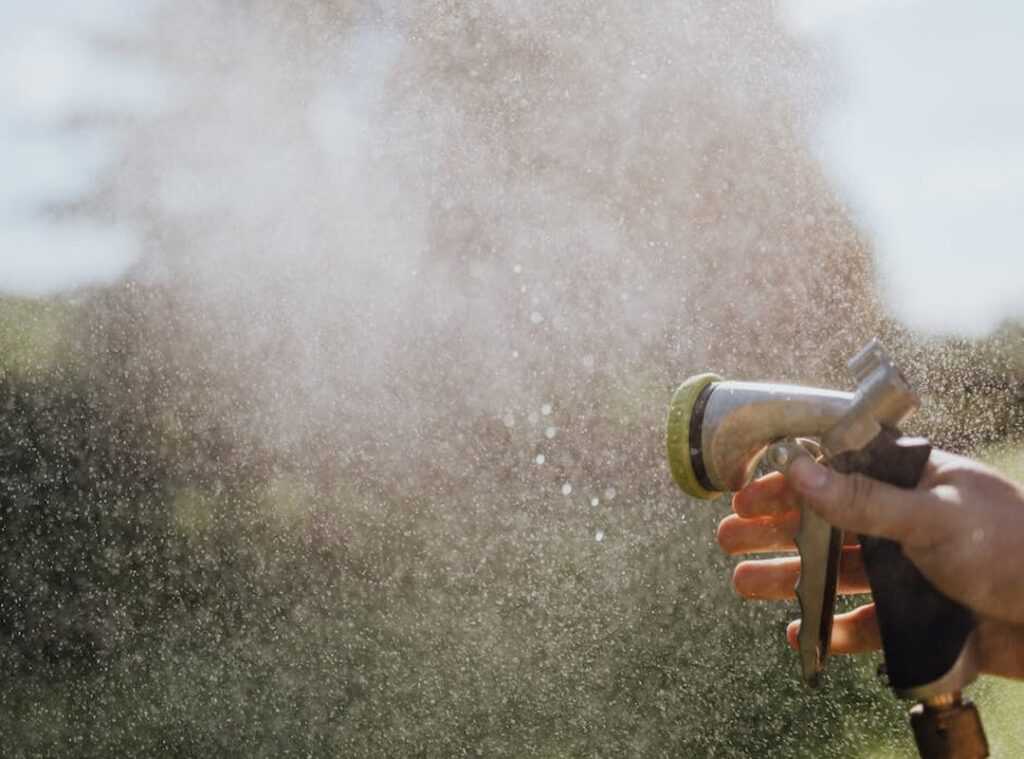
You can use spray tools to get treatments on your pet evenly and safely. No more mess, no more stress.
Let’s face it, as pet owners, we want what’s best for our fur babies. But how do we know we’re doing it right? You might wonder if there’s a way to do it better.
Here, we cut through the noise with practical takeaways. Trust me, with years of experience in animal wellness, I know what works.
This guide will walk you through mastering aerosol applicators for pet care. You’ll get the lowdown on their versatility and efficiency. You’ll finish this article equipped with the knowledge to care for your pet like a pro.
Ready to dive in? Let’s get started.
Aerosol Applicators: Precision for Pet Care
Aerosol applicators are pretty genius, if you ask me. They use pressurized gas to release fine particles. A perfect way to deliver pet care products.
Ever used pet grooming sprays or behavioral tools? Yep, those often come in aerosol form. Why?
Because they offer precision and ease. You point, you spray, and voilà! A targeted application without the mess.
Now, let’s talk about why you’d want to use spray tools over traditional methods. It’s simple: precision and convenience. Imagine trying to bathe a cat with a bucket of water.
Sounds like chaos, right? But spritzing grooming spray? Easy peasy.
Plus, aerosol applicators make sure even distribution, which is key for effective results.
Pet owners often overlook the importance of using these tools properly. knowing Common Mistakes Spray Training can make a difference. You don’t want to end up with a confused pet and wasted product.
Do you need aerosol applicators for every pet care task? Not necessarily. But for those specific tasks that require accuracy, they’re unbeatable.
Whether it’s calming a hyper dog or freshening up fur, aerosols can be a lifesaver. In a world where precision matters, why settle for less?
Spray Away: The Pet Care Game-Changer
Aerosol applicators. Sounds simple, right? But they’re a game-changer in pet care.
Let’s face it, when you use spray tools, you’re not just spritzing your pet with some fancy potion. You’re getting a hygienic and controlled method to apply those important products. No more sticky fingers or spilling half the bottle before it even touches your pet.
Ever tried to get even coverage with a cream? It’s like trying to frost a cake with a fork. Aerosols fix this.
They reduce waste, letting you use just the right amount, ensuring EVERY part of your pet gets the care it deserves. That’s not just smart (it’s) fast. And who doesn’t love saving a few bucks while keeping Fido fresh?
Safety is key here too. Some products can be a real mess, both literally and for your skin. (Stains and burns? No thanks.) Aerosol applicators solve this by protecting both you and your furry friend.
The nozzle makes sure the product goes only where it’s supposed to (no) accidental puffs in the eyes or nose.
But what about the skeptics? Those who ask (maybe you’re one of them), “Is an aerosol really better?” Yes. Yes, it is.
You get a consistent application every time. Plus, it’s way quicker, and we all know pets have a limited patience span. Remember, in pet care, it’s not just about what you use, but HOW you use it.
Aerosols give you the edge. So, next time you reach for a product, think of the spray. Your pet will thank you.
Choosing the Perfect Aerosol Applicator for Your Pet
Picking the right aerosol applicator for your pet can feel like choosing a movie on a Friday night. So many options, each claiming to be the best. But let’s get real.
Not every spray works for every pet.
First, think about what you’re spraying. Is it a grooming product or something for health? Maybe a training tool.
The type of product determines the applicator you need. You wouldn’t use a water gun to oil your dog’s fur (unless you’re aiming for chaos).
Size matters. A large dog needs a different spray than a chihuahua. It’s like buying clothes.
You wouldn’t put a Great Dane in a sweater made for a Yorkie, right? It’s the same with sprays. Look for labels that specify pet size or weight.
Now, consider your pet’s specific needs. Does your cat have sensitive skin? Is your dog freaked out by loud noises?
Some sprays are quieter, perfect for skittish pets. Others are more concentrated, ideal for pets with thicker coats.
Pro tip: Always read the label. It’s like checking Rotten Tomatoes before watching a movie. You want to know what’s in there.
And don’t forget to compare pet training sprays for the best fit.
Finally, if you’re looking to use spray tools, make sure they align with your pet’s lifestyle. If your pet hates water, a mist might be better than a full-on spray. Remember, the right applicator can make all the difference in keeping your pet happy and healthy.
Safe and Effective: Your Guide to Aerosol Applicators
Using aerosol applicators might seem daunting at first, but it’s all about technique and preparation. Do you have everything ready? If not, start with ensuring you have the right spray tools for the job.

This means checking your canister for any leaks or damages. You don’t want a surprise later.
Before you even think about spraying, prep the area. Clear the room of any unnecessary items. You’d be surprised how stray objects can get in the way.
I always suggest covering surfaces that might get stained (better safe than sorry). If you’re working with pets, make sure they’re calm and secure. A stressed pet can make the process harder (and messier).
Now, let’s talk about common mistakes. Don’t shake the can too vigorously. A gentle swirl is all you need.
Trust me, over-shaking can lead to uneven spray patterns. Aim the nozzle correctly. Point it away from your face and at the intended area.
Sounds obvious, right? You’d be surprised how often this step is missed.
For those new to this, practice makes perfect. Start by spraying a test area. Adjust your technique as needed.
If you want a visual guide, check out this resource on how to use a paint sprayer. It’s for paint but gives a good idea of motion and distance.
Got clogs? Run the nozzle under warm water. It often solves the issue.
If it persists, consider replacing the applicator. Pro tip: Always store your cans in a cool, dry place. Heat can compromise the product’s effectiveness.
And there you have it. Your guide to using aerosol applicators safely.
Aerosol Applicator TLC: Keeping Your Spray Tools in Shape
When you use spray tools, regular maintenance isn’t optional. It’s important. Like a car needing an oil change, your aerosol applicator demands attention to avoid clogs and maintain peak performance.
I always start with a simple routine: rinse the nozzle with warm water after each use. It’s like brushing your teeth. Simple but game-changing.
Storing them? Avoid extreme temperatures. Store your applicator upright (gravity helps prevent leaks).
If it starts spitting instead of spraying, you might need a new nozzle. These tools wear out over time, and replacing them is often cheaper than ruining a project.
Keep an eye out for signs of wear like crusty buildup or inconsistent spray patterns. These are your cues. If your applicator’s struggling, don’t ignore it.
Swap it out. Pro tip: buy spare parts. You’ll thank yourself later.
Regular cleaning and smart storage will prolong their life. It’s a small effort with big payoffs.
Simplified Pet Care with Spray Solutions
Pet care shouldn’t be a hassle. With aerosol applicators, you’re cutting down the time and effort. Isn’t that what you want?
These tools are swift and fast, tackling everyday pet dilemmas with ease. You know the struggles (dealing) with tangled fur, stubborn odors, or even training mishaps. These aren’t minor annoyances.
They’re real pain points.
So, why not use spray tools to simplify life? They’re tried and true, and many pet owners swear by them. Ready to boost your routine?
Visit feduspray.com. Discover how you can revolutionize your pet care with just a simple spray. Make the change today.

 There is a specific skill involved in explaining something clearly — one that is completely separate from actually knowing the subject. Alissa Hastingsellens has both. They has spent years working with spray-based training tools in a hands-on capacity, and an equal amount of time figuring out how to translate that experience into writing that people with different backgrounds can actually absorb and use.
Alissa tends to approach complex subjects — Spray-Based Training Tools, Pet Nutrition and Grooming Tips, Behavior Correction Techniques being good examples — by starting with what the reader already knows, then building outward from there rather than dropping them in the deep end. It sounds like a small thing. In practice it makes a significant difference in whether someone finishes the article or abandons it halfway through. They is also good at knowing when to stop — a surprisingly underrated skill. Some writers bury useful information under so many caveats and qualifications that the point disappears. Alissa knows where the point is and gets there without too many detours.
The practical effect of all this is that people who read Alissa's work tend to come away actually capable of doing something with it. Not just vaguely informed — actually capable. For a writer working in spray-based training tools, that is probably the best possible outcome, and it's the standard Alissa holds they's own work to.
There is a specific skill involved in explaining something clearly — one that is completely separate from actually knowing the subject. Alissa Hastingsellens has both. They has spent years working with spray-based training tools in a hands-on capacity, and an equal amount of time figuring out how to translate that experience into writing that people with different backgrounds can actually absorb and use.
Alissa tends to approach complex subjects — Spray-Based Training Tools, Pet Nutrition and Grooming Tips, Behavior Correction Techniques being good examples — by starting with what the reader already knows, then building outward from there rather than dropping them in the deep end. It sounds like a small thing. In practice it makes a significant difference in whether someone finishes the article or abandons it halfway through. They is also good at knowing when to stop — a surprisingly underrated skill. Some writers bury useful information under so many caveats and qualifications that the point disappears. Alissa knows where the point is and gets there without too many detours.
The practical effect of all this is that people who read Alissa's work tend to come away actually capable of doing something with it. Not just vaguely informed — actually capable. For a writer working in spray-based training tools, that is probably the best possible outcome, and it's the standard Alissa holds they's own work to.