

Every season brings subtle—and sometimes dramatic—shifts in your pet’s health, behavior, and daily needs. From spring allergies to summer heat risks, autumn weight fluctuations to winter lethargy, understanding seasonal pet health changes is essential to keeping your companion comfortable and thriving. Many pet owners are caught off guard by preventable issues that arise as temperatures, daylight, and activity levels change. This guide answers the common question, “How do seasons affect my pet?” with a clear, vet-approved, season-by-season checklist designed to help you anticipate challenges, adjust care routines, and support your pet’s well-being all year long.
Spring Forward: Managing Allergies, Pests, and New Growth
As temperatures fluctuate and routines shift with the seasons, it’s crucial to also consider how these changes might impact your pet’s health, making it an ideal time to reflect on whether they’re properly identified, which ties into our recent coverage of microchipping and pet ID innovations for the year – for more details, check out our Microchipping and Pet ID Innovations: What’s New This Year.
Spring brings longer walks and blooming yards—but also sneezing, scratching, and surprise pests. Understanding seasonal pet health changes is the first step to staying ahead.
Allergy Alert
Excessive scratching, paw licking, and red, irritated skin often signal environmental allergies—reactions to pollen, mold, or grass. Food allergies, by contrast, typically persist year-round and may include ear infections or digestive upset (itchy ears in April? Think pollen. Itchy ears in December too? Think diet). According to the American College of Veterinary Dermatology, environmental allergies are among the most common causes of seasonal itching in dogs.
Nutrition for Relief
Omega-3 fatty acids—healthy fats found in fish oil—help reduce inflammation and support the skin barrier. Studies published in the Journal of Veterinary Dermatology show omega-3 supplementation can lessen itch severity. Pro tip: Introduce dietary changes gradually to avoid stomach upset.
The Parasite Problem
START PREVENTION EARLY. Fleas and ticks become active as temperatures rise above 50°F (CDC). Waiting until you see one is like installing a smoke detector after the fire.
- Begin monthly preventatives before peak season.
- Check paws and under collars after walks.
- Stay consistent—heartworm prevention is critical year-round.
Grooming for the Season
Regular de-shedding with an undercoat rake reduces loose fur and helps spot ticks or hot spots early. For evolving care options, explore new advances in veterinary telehealth for modern pet owners.
Summer Safety: Beating the Heat and Staying Hydrated
Heatstroke Hazards
Heatstroke is a life-threatening rise in body temperature that prevents pets from cooling themselves. Watch for excessive panting, drooling, lethargy, vomiting, or bright red gums. If you notice these signs, move your pet to shade immediately, offer small amounts of cool (not icy) water, and place damp towels on their belly and paws. Then call your vet—fast. (Waiting it out is not a strategy.) According to the American Veterinary Medical Association, heatstroke can cause organ failure if untreated.
Hydration Is Key
Some pets treat their water bowl like optional decor. Try pet-safe frozen broth cubes, circulating water fountains, or adding water to dry kibble. Small changes can dramatically increase intake. Pro tip: place multiple bowls around the house to encourage casual sipping.
Pavement and Paw Care
Use the five-second rule: press your hand to the pavement; if it’s too hot for you, it’s too hot for paws. Walk early mornings or evenings, apply paw balm, and consider grassy routes.
Behavioral Shifts
Thunderstorms and fireworks spike anxiety. Create a quiet safe space with familiar bedding and calming sounds. Could this tie into broader seasonal pet health changes? Anticipating what’s next—hydration, paw checks, anxiety relief—keeps your pet safer all summer long.
Autumn Adjustments: Shedding, Toxins, and Routine Changes
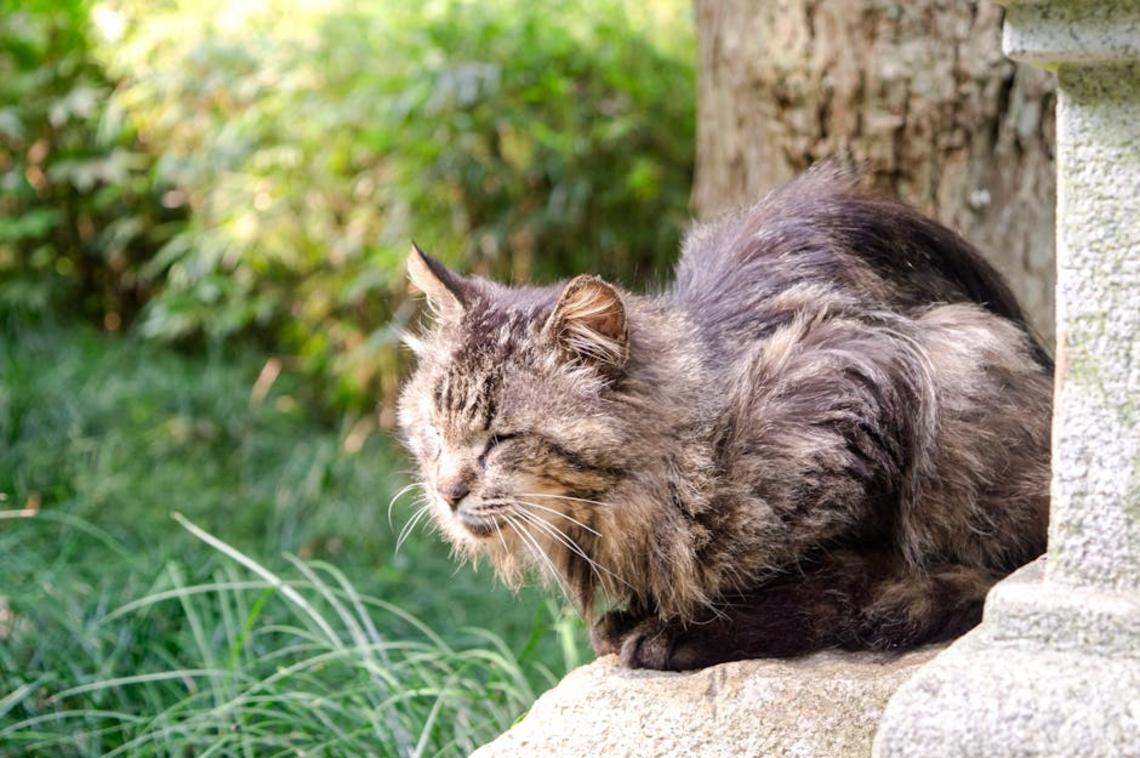
“The fur tumbleweeds are back,” one pet parent laughed. Welcome to the second shed—when pets swap lightweight summer coats for denser winter insulation. This process, driven by changing daylight (called photoperiod), helps regulate body temperature. Regular brushing with a slicker brush or undercoat rake prevents matting and keeps the “fall fluff” from overtaking your sofa. Consistency beats intensity—five minutes daily works better than a marathon groom once a week.
Hidden dangers spike in autumn. Antifreeze (which contains sweet-tasting ethylene glycol), wild mushrooms, and holiday treats like chocolate, xylitol, and grapes can be toxic. “He just licked a puddle in the driveway,” a worried owner once said. Even small amounts can cause kidney failure, according to the ASPCA Animal Poison Control Center. Call your vet immediately if exposure is suspected.
Back-to-school schedule shifts can trigger separation anxiety. “She cries the minute I grab my keys,” another client shared. Enrichment toys, gradual departures, and calm exits help ease transitions.
Finally, adjust nutrition. With less outdoor play, calorie needs may drop. Monitoring weight during seasonal pet health changes prevents creeping winter gain (yes, pets get it too).
Winter Wellness: Cold Weather, Joint Care, and Indoor Fun
Have you ever wondered why your dog suddenly hesitates at the door when temperatures drop? Cold weather is not just uncomfortable—it can be dangerous. Small or short-haired breeds lose body heat fast, increasing risks of frostbite and hypothermia, according to the American Veterinary Medical Association. DO THEY NEED A COAT OR BOOTS? If sidewalks are icy or below freezing, the answer is usually yes.
Older pets feel it too. Cold, damp air can stiffen arthritic joints, making movement painful. Veterinarians often recommend glucosamine supplements and warm, orthopedic beds to cushion pressure points. (Yes, that plush bed is more than a luxury.)
What about cabin fever? When outdoor time shrinks, boredom grows. Try this simple plan:
- Rotate puzzle feeders to challenge their brain.
- Practice short, upbeat training sessions indoors.
- Play scent games with hidden treats.
Finally, wipe paws after every walk to remove salt and chemical de-icers, and trim fur between pads to prevent painful ice balls. Staying alert to seasonal pet health changes keeps tails wagging all winter. Sound familiar when your pet paces the hallway at night? Small adjustments now prevent bigger problems later. Stay proactive always.
Proactive Pet Care Through Every Season
You set out to understand how to better protect your pet throughout the year—and now you have a practical roadmap to handle seasonal pet health changes with confidence. From shifting temperatures to allergens and behavior fluctuations, each season brings challenges that can quietly impact your companion’s well-being.
The good news? These changes are predictable. That means you can stay one step ahead. By anticipating risks and adjusting grooming, nutrition, and daily routines, you prevent problems before they start.
Don’t wait for symptoms to appear. Create a simple seasonal wellness checklist today and take control of your pet’s comfort, health, and happiness all year long.