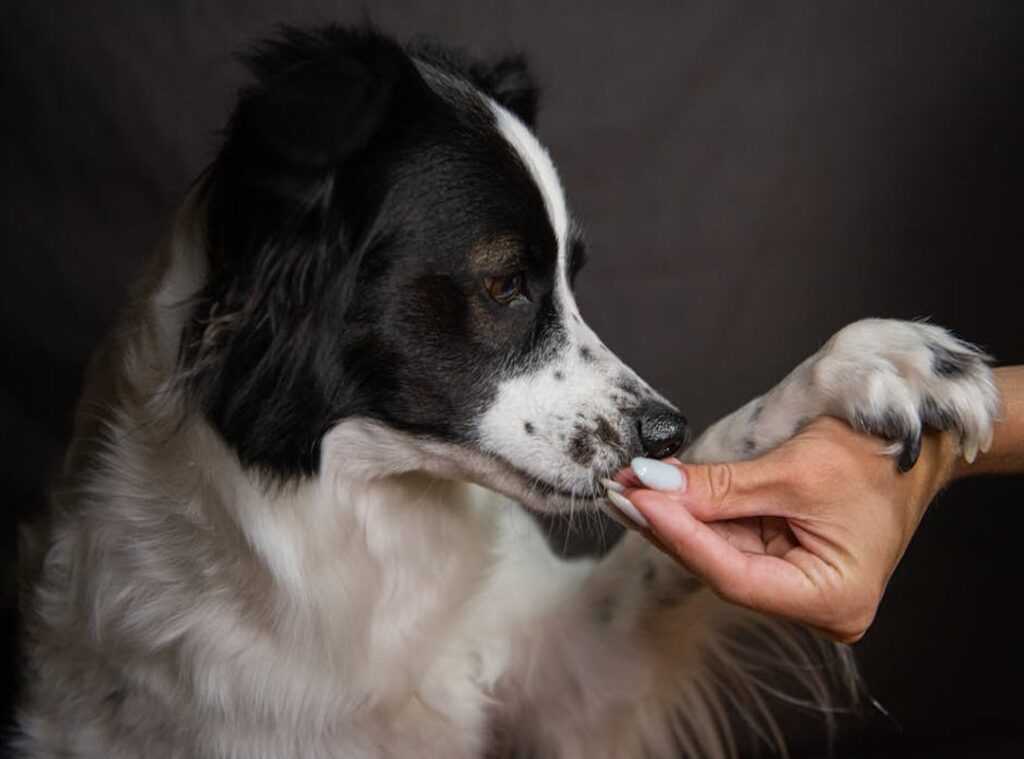

If you’ve ever wondered whether your pet is sleeping too much—or not enough—you’re not alone. Understanding pet sleep patterns is essential for supporting your animal’s overall health, behavior, and daily energy levels. From puppies and kittens to senior companions, sleep needs vary widely based on age, breed, activity level, and environment. This article is designed to help you make sense of what’s normal, what’s not, and when changes in sleep could signal a deeper wellness concern.
We’ve gathered insights based on current veterinary guidance, animal behavior research, and practical care experience to ensure the information you’re reading is accurate and actionable. You’ll learn how sleep connects to nutrition, stress levels, training routines, and overall well-being—plus simple steps you can take to create a healthier rest environment for your pet. Whether you’re troubleshooting sudden changes or simply aiming to optimize your pet’s routine, this guide will give you clear, trustworthy direction.
Ever watched your dog’s paws twitch and wondered what they’re dreaming about? Understanding pet sleep patterns is central to spotting health cues.
In colder northern climates, like Minnesota winters, pets log longer REM cycles—REM, or rapid eye movement, means the brain is highly active (think Pixar-level dream scenes).
Some argue twitching signals seizures, but veterinarians note brief, rhythmic jerks are normal during REM (AVMA).
Watch for:
- Consistent appetite and mood,
- Quiet, steady breathing,
- Easy waking without confusion.
If you notice stiff limbs or prolonged disorientation, consult your local vet promptly.
Pro tip: keep a sleep log monthly.
Why Quality Rest is Crucial for Your Four-Legged Friend
Sleep isn’t just downtime for pets; it’s biological maintenance. During deep rest, the brain performs memory consolidation—meaning your dog or cat processes new commands, routines, and experiences (yes, even that failed “stay” attempt). At the same time, the immune system releases protective proteins called cytokines, which help fight infection and inflammation, according to the National Institutes of Health. In other words, better sleep supports faster recovery and stronger defenses.
Unlike humans, who are largely monophasic sleepers (one long stretch at night), many animals follow polyphasic cycles—multiple shorter naps across the day. Understanding pet sleep patterns helps you spot what’s normal versus concerning.
However, when rest is disrupted, behavior shifts quickly. Poor sleep can increase anxiety, irritability, and training resistance. Ever notice sudden stubbornness after a restless night?
Ultimately, consistent, quality sleep is one of the clearest indicators of overall well-being—physically, mentally, and emotionally.
The Canine Snooze: A Deep Dive into Dog Sleep Patterns
Dogs don’t just “pass out” after a long walk. Their sleep is structured, cycling between NREM (Non-Rapid Eye Movement) and REM (Rapid Eye Movement) stages. NREM sleep is the deeper, restorative phase when the body repairs tissue and strengthens the immune system. REM sleep is lighter and linked to dreaming—yes, your dog likely dreams. According to the American Kennel Club, dogs enter REM more quickly than humans, but for shorter bursts.
Some argue that twitching or soft barking is just random nerve activity. That’s possible. But research published in Current Biology suggests mammals replay daily experiences during REM. So when your pup “runs” in their sleep, they may be mentally revisiting the dog park (hopefully winning this time).
Common sleep behaviors include:
- Twitching paws or whiskers – Often tied to REM dreaming.
- Soft barks or growls – Dream vocalizations.
- Rapid breathing – A normal REM sign, not usually distress.
Sleeping positions also tell a story. Curled up? Conserving heat and protecting vital organs. Stretched out? Feeling safe and cooling down. Belly exposed? Total trust (or excellent air conditioning). While skeptics say posture means nothing, long-term observations of pet sleep patterns suggest comfort and environment play a clear role.
Sleep needs vary by:
- Age – Puppies and seniors may sleep 18–20 hours daily.
- Breed size – Larger breeds often snooze more.
- Activity level – Mental and physical exercise increase rest needs.
If movements seem frantic or distressed, review signs outlined in recognizing stress signals in household pets.
Pro tip: A sudden change in sleep duration can signal health issues—when in doubt, consult your vet.
The Art of the Catnap: Understanding Feline Slumber
Cats have mastered what behaviorists call the “predator’s nap.” This is a light, easily disturbed sleep that allows them to recharge while staying alert to potential threats. In the wild, even a top hunter can become prey (nature keeps everyone humble). During these short rest cycles, a cat’s ears may twitch or rotate toward sound—a sign their brain is still on standby.
Cats are also crepuscular, meaning they’re most active at dawn and dusk. This trait evolved because small prey animals move during these low-light hours. So if your cat sprints across the hallway at sunrise, that’s instinct—not attitude. Instead of fighting this rhythm, ADJUST your play schedule. Engage them in interactive play before bed and shortly after waking to match their natural energy peaks.
Take a look at their favorite sleeping spots. High shelves offer visibility and safety. Sunbeams provide warmth that helps regulate body temperature. Enclosed spaces mimic dens, giving security. These choices reveal deep survival wiring. Pro tip: provide a tall perch, a cozy covered bed, and a sunny mat to satisfy all three instincts.
Sleep also influences mood. A well-rested cat is typically more social and playful. A sleep-deprived cat may seem withdrawn or irritable—much like humans after an all-nighter. Monitoring pet sleep patterns can help you spot stress early. If your cat suddenly changes sleep locations or duration, ask yourself: has something in their environment shifted?
SUPPORT natural rest, respect their rhythms, and you’ll nurture a calmer, happier companion.
Last winter, my normally energetic spaniel started sleeping through our morning walks. At first, I shrugged it off—colder days, longer naps, right? However, when his pet sleep patterns shifted almost overnight, I knew something felt off.
Sudden, drastic changes in sleep—either far more or far less—are actionable warning signs. Likewise, loud snoring, gasping for air (a potential marker of sleep apnea), frequent waking, or constant restlessness shouldn’t be ignored. In older pets especially, disrupted sleep can connect to arthritis pain, anxiety, or even cognitive dysfunction, which is similar to dementia in humans (yes, pets can experience it too).
On the other hand, some owners argue that “they’re just aging.” Sometimes that’s true. But when sleep changes are abrupt or paired with mood or appetite shifts, it’s time to call your veterinarian. Pro tip: keep a simple sleep log for a week to spot patterns you might otherwise miss early on.
From Observation to Action
You now have the tools to look beyond a simple nap and see a clearer window into your pet’s health. I truly believe the core concern for any owner is missing a sign that their companion is not feeling their best. When you consistently observe pet sleep patterns, you can catch potential issues early and respond with confidence.
- Pay attention to posture, breathing, and routine.
Take time tonight to watch how your pet rests; it’s one of the simplest yet most powerful ways to deepen your understanding and ensure their well-being. Trust your instincts; they matter.
Helping Your Dog Sleep Better Starts Today
You came here to better understand your dog’s sleep habits and how they affect overall health and behavior. Now you know how pet sleep patterns influence mood, energy levels, learning ability, and even long-term wellness.
When your dog isn’t sleeping well, you feel it too — the restlessness, the behavioral issues, the constant worry that something isn’t right. Ignoring poor sleep can lead to bigger health and training challenges down the road.
The good news? Small, consistent changes in routine, environment, and training tools can dramatically improve your dog’s quality of rest. When you support healthy sleep habits, you’re building a calmer, happier, and more balanced companion.
If you’re ready to solve nighttime restlessness and behavior struggles for good, explore our trusted spray-based training solutions and wellness resources. Pet owners rely on our expert-backed guidance and top-rated tools to create healthier routines fast.
Don’t wait for sleepless nights to turn into long-term problems. Start improving your dog’s sleep and behavior today.

 There is a specific skill involved in explaining something clearly — one that is completely separate from actually knowing the subject. Alissa Hastingsellens has both. They has spent years working with spray-based training tools in a hands-on capacity, and an equal amount of time figuring out how to translate that experience into writing that people with different backgrounds can actually absorb and use.
Alissa tends to approach complex subjects — Spray-Based Training Tools, Pet Nutrition and Grooming Tips, Behavior Correction Techniques being good examples — by starting with what the reader already knows, then building outward from there rather than dropping them in the deep end. It sounds like a small thing. In practice it makes a significant difference in whether someone finishes the article or abandons it halfway through. They is also good at knowing when to stop — a surprisingly underrated skill. Some writers bury useful information under so many caveats and qualifications that the point disappears. Alissa knows where the point is and gets there without too many detours.
The practical effect of all this is that people who read Alissa's work tend to come away actually capable of doing something with it. Not just vaguely informed — actually capable. For a writer working in spray-based training tools, that is probably the best possible outcome, and it's the standard Alissa holds they's own work to.
There is a specific skill involved in explaining something clearly — one that is completely separate from actually knowing the subject. Alissa Hastingsellens has both. They has spent years working with spray-based training tools in a hands-on capacity, and an equal amount of time figuring out how to translate that experience into writing that people with different backgrounds can actually absorb and use.
Alissa tends to approach complex subjects — Spray-Based Training Tools, Pet Nutrition and Grooming Tips, Behavior Correction Techniques being good examples — by starting with what the reader already knows, then building outward from there rather than dropping them in the deep end. It sounds like a small thing. In practice it makes a significant difference in whether someone finishes the article or abandons it halfway through. They is also good at knowing when to stop — a surprisingly underrated skill. Some writers bury useful information under so many caveats and qualifications that the point disappears. Alissa knows where the point is and gets there without too many detours.
The practical effect of all this is that people who read Alissa's work tend to come away actually capable of doing something with it. Not just vaguely informed — actually capable. For a writer working in spray-based training tools, that is probably the best possible outcome, and it's the standard Alissa holds they's own work to.