
Choosing between homemade vs commercial pet food can feel overwhelming. Every source seems to promise the “healthiest” option, yet advice often conflicts—leaving you unsure what truly supports your companion’s long-term wellbeing. This guide offers a clear, side-by-side look at the four factors that matter most: nutrition, cost, convenience, and safety. Grounded in established animal wellness and nutrition principles, it cuts through marketing claims to present a balanced, practical framework. Whether you prioritize control over ingredients or ease of preparation, you’ll gain the clarity needed to confidently select a feeding plan that fits both your pet’s needs and your lifestyle.
Nutritional Completeness: Balancing Science and Home Cooking
When pet food labels say “complete and balanced,” they’re usually referencing standards set by the Association of American Feed Control Officials (AAFCO). AAFCO is a regulatory body that establishes nutrient profiles for pets based on life stage. In plain terms, this means the food contains the right amounts of essential nutrients—proteins, fats, carbohydrates, vitamins, and minerals—needed to sustain health (AAFCO Official Publication).
Here’s what that looks like in practice:
| Nutrient Type | Why It Matters | Example Risk if Imbalanced |
|---|---|---|
| Protein | Muscle and tissue repair |
Poor growth |
| Calcium & Phosphorus | Bone health | Skeletal deformities |
| Taurine (cats) | Heart and vision support | Heart disease |
| Vitamin A | Immune function | Toxicity if excessive |
Supporters of homemade meals argue they’re fresher and more natural (and yes, chopping carrots can feel virtuous). But the homemade challenge is real: even small miscalculations—like an improper calcium-to-phosphorus ratio—can cause long-term harm. Taurine deficiency in cats, for example, has been linked to dilated cardiomyopathy (FDA reports).
Practical tip: If preparing meals at home, never rely solely on online recipes. Instead:
- Request a customized formulation from a board-certified veterinary nutritionist.
- Weigh ingredients precisely with a digital kitchen scale.
- Schedule routine bloodwork to monitor nutrient levels.
Critics say commercial diets are overly processed. That’s fair. But processing also ensures consistency and nutrient stability.
In the debate over homemade vs commercial pet food, the verdict is clear: commercial options provide guaranteed balance out of the bag, while homemade diets demand expert formulation to be truly safe and complete.
The Real Cost: A Surprising Look at Your Budget
At first glance, homemade pet meals seem cheaper. After all, you’re just buying meat and vegetables, right? Not quite. A properly balanced homemade diet requires supplements—essential fatty acids (like fish oil), calcium, vitamins, and trace minerals. These are nutrients pets must get in precise amounts to avoid deficiencies. Then there’s equipment: a reliable food scale for portion accuracy, a meat grinder for bone-safe blends, and storage containers. And yes, your time counts too (meal prep isn’t exactly a 30-second montage from a cooking show).
Meanwhile, commercial food tiers vary widely. Budget kibble is affordable but may use lower-cost fillers. Premium fresh-frozen and prescription diets cost more because they often include higher-quality proteins and are formulated through feeding trials—controlled studies that test nutritional adequacy (AAFCO, 2023). In many cases, price reflects research and ingredient sourcing.
Here’s the bigger issue: an imbalanced homemade plan can lead to deficiencies, skeletal problems, or organ stress, which means higher vet bills later (Freeman et al., JAVMA, 2013). Those “savings” disappear quickly.
So what should you do? If you’re committed to cooking, consult a board-certified veterinary nutritionist and budget for supplements. Otherwise, choose a mid-to-premium commercial option and focus on portion control and essential grooming routines for healthy skin and coat.
When weighing homemade vs commercial pet food, remember: true cost includes nutrition, time, and long-term health.
Convenience Factor: Your Time vs. Their Meal
The “Scoop and Serve” Advantage
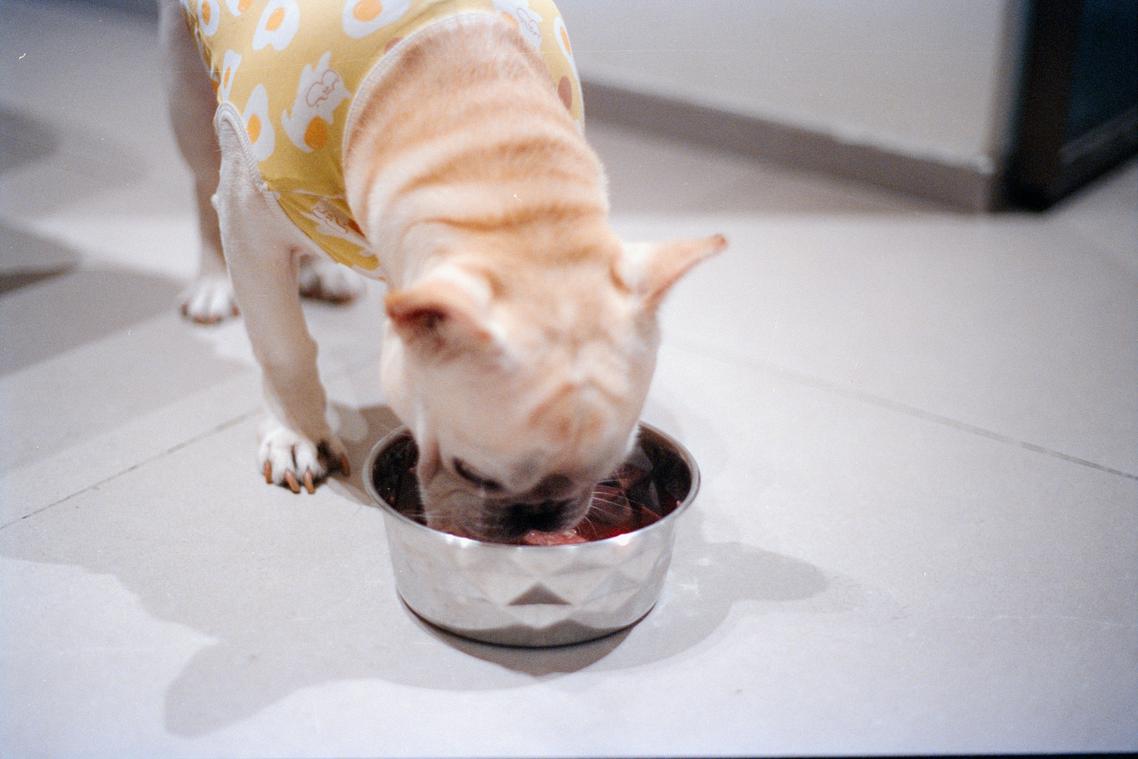
When life is busy, commercial pet food delivers instant relief. Open, scoop, serve—done. It’s shelf-stable, pre-portioned with feeding guidelines, and easy to store. That means fewer calculations, less cleanup, and consistent nutrition in minutes. The benefit? You gain back time for walks, play, or simply relaxing (because not every evening needs to feel like a cooking show finale). Pro tip: pre-measure daily portions into containers for even faster mornings.
The Labor of Love
Homemade meals require planning recipes, sourcing specific ingredients, measuring nutrients precisely, batch cooking, and freezing safely. It’s rewarding—but time intensive. Miss a step, and nutritional balance can slip.
Travel and Boarding
Bringing frozen meals on trips or explaining prep instructions to a sitter adds complexity. Will storage space even be available?
The Verdict on Convenience
In the debate over homemade vs commercial pet food, convenience clearly favors commercial options for busy owners who need reliable, portable simplicity.
Safety & Quality Control: Hidden Dangers vs. Industry Standards
Kitchen Contamination Risks
First, consider the real risk inside a typical home kitchen. Raw meat can carry Salmonella and E. coli—bacteria that cause vomiting, diarrhea, and in severe cases, hospitalization. The CDC estimates Salmonella causes about 1.35 million infections annually in the U.S. alone (CDC). Pets handling contaminated bowls can spread bacteria to countertops, carpets, and even children (yes, even the “five-second rule” won’t save you). Consequently, undercooked or improperly stored meals increase exposure for both pets and people.
Manufacturing Safeguards
By contrast, reputable commercial brands follow Hazard Analysis and Critical Control Points (HACCP), a systematic prevention approach that identifies and controls biological, chemical, and physical hazards. Facilities conduct batch testing, pathogen screening, and traceability audits. In fact, the FDA requires preventive controls and detailed recall procedures under the Food Safety Modernization Act.
The Recall Reality
Admittedly, recalls happen. However, recalls demonstrate oversight in action—a regulated system catching issues before wider harm occurs. Homemade diets, on the other hand, have zero formal monitoring.
Ingredient Sourcing
Moreover, established brands often vet suppliers, require certificates of analysis, and test incoming ingredients—standards rarely matched by grocery sourcing.
The Verdict on Safety
Ultimately, when weighing homemade vs commercial pet food, evidence shows regulated manufacturing offers a higher baseline of safety and quality control.
As pet owners navigate the often overwhelming choices between homemade and commercial pet food, understanding how these decisions can impact not only their pets’ health but also the profound bond they share, as explored in our article ‘The Science Behind the Human–Animal Bond‘, becomes increasingly important.
Crafting the Perfect Meal Plan for Your Pet
You came here weighing homemade vs commercial pet food, and now you understand the real trade-offs—balanced convenience versus total ingredient control. The challenge isn’t just preference; it’s protecting your pet’s long-term health while managing your time and budget. Whether you choose nutritionally complete commercial formulas, carefully planned homemade meals, or a hybrid approach with fresh toppers, the right path depends on your pet’s unique needs.
Before making any change, consult your veterinarian to create a safe, tailored plan. Don’t risk nutritional gaps—get expert guidance and give your pet the balanced, healthy life they deserve. Schedule that vet conversation today.

 Bradfords Austinicolo writes the kind of pet care updates content that people actually send to each other. Not because it's flashy or controversial, but because it's the sort of thing where you read it and immediately think of three people who need to see it. Bradfords has a talent for identifying the questions that a lot of people have but haven't quite figured out how to articulate yet — and then answering them properly.
They covers a lot of ground: Pet Care Updates, Pet Nutrition and Grooming Tips, Behavior Correction Techniques, and plenty of adjacent territory that doesn't always get treated with the same seriousness. The consistency across all of it is a certain kind of respect for the reader. Bradfords doesn't assume people are stupid, and they doesn't assume they know everything either. They writes for someone who is genuinely trying to figure something out — because that's usually who's actually reading. That assumption shapes everything from how they structures an explanation to how much background they includes before getting to the point.
Beyond the practical stuff, there's something in Bradfords's writing that reflects a real investment in the subject — not performed enthusiasm, but the kind of sustained interest that produces insight over time. They has been paying attention to pet care updates long enough that they notices things a more casual observer would miss. That depth shows up in the work in ways that are hard to fake.
Bradfords Austinicolo writes the kind of pet care updates content that people actually send to each other. Not because it's flashy or controversial, but because it's the sort of thing where you read it and immediately think of three people who need to see it. Bradfords has a talent for identifying the questions that a lot of people have but haven't quite figured out how to articulate yet — and then answering them properly.
They covers a lot of ground: Pet Care Updates, Pet Nutrition and Grooming Tips, Behavior Correction Techniques, and plenty of adjacent territory that doesn't always get treated with the same seriousness. The consistency across all of it is a certain kind of respect for the reader. Bradfords doesn't assume people are stupid, and they doesn't assume they know everything either. They writes for someone who is genuinely trying to figure something out — because that's usually who's actually reading. That assumption shapes everything from how they structures an explanation to how much background they includes before getting to the point.
Beyond the practical stuff, there's something in Bradfords's writing that reflects a real investment in the subject — not performed enthusiasm, but the kind of sustained interest that produces insight over time. They has been paying attention to pet care updates long enough that they notices things a more casual observer would miss. That depth shows up in the work in ways that are hard to fake.