
Dealing with persistent pet behaviors like excessive barking, counter-surfing, or jumping on guests can be frustrating and exhausting. If you’re searching for a practical, humane solution, this guide is designed to help. We take a closer look at spray training tools for pets, explaining how they safely interrupt unwanted actions and redirect your pet toward better habits. You’ll learn how these tools work, how to choose the right type for your pet, proper usage techniques, and common mistakes to avoid. Grounded in proven animal behavior principles, this article offers a balanced, effective approach to improving your pet’s behavior with confidence.
How Spray Interrupters Work: The Science of Disruption*
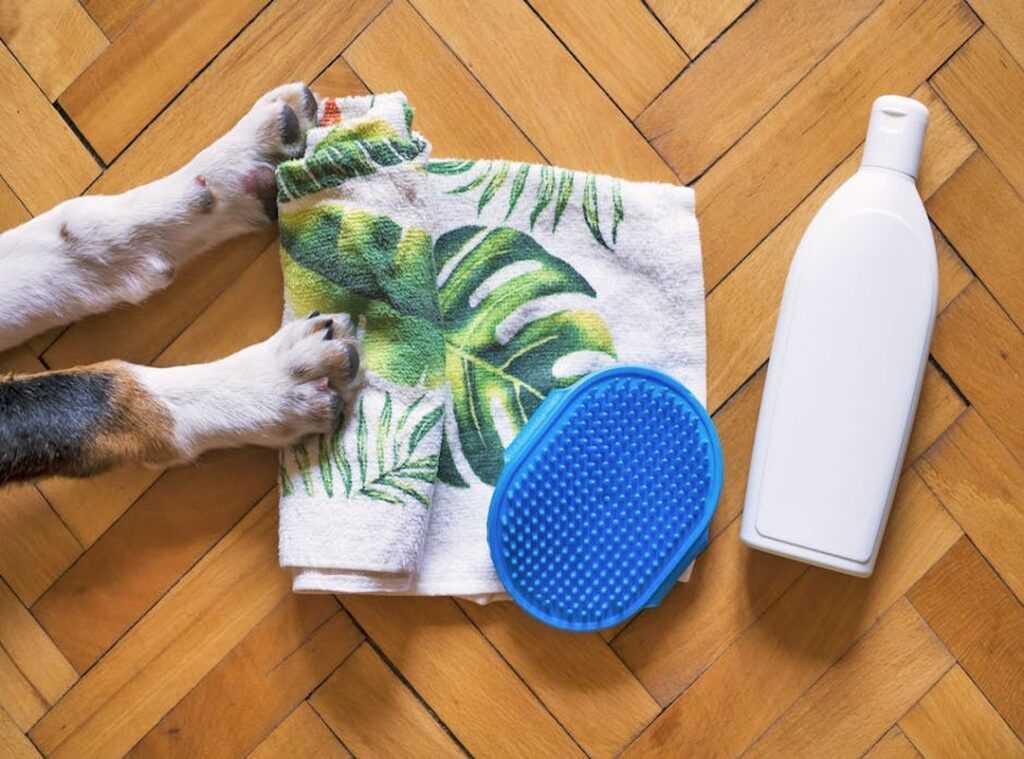
Understanding how spray training tools work for dogs and cats can enhance your pet’s behavior, and when combined with Essential Grooming Routines for Healthy Skin and Coat, you can create a more positive and enjoyable experience for both you and your furry friend.
Spray interrupters are about interruption, not punishment. The goal isn’t to scare or harm your pet. It’s to create a brief, harmless sensory surprise—a quick hiss of air or a light puff of scent—that breaks their focus on unwanted behavior (think of it as hitting a mental pause button).
Three simple mechanisms are at play:
- Auditory: The sharp “psst” sound grabs attention instantly.
- Visual: A sudden cloud of mist adds a noticeable visual cue.
- Olfactory: If scented, like citronella, the smell adds another layer of surprise.
This combination works because pets form an association: action equals interruption. Over time, they’re less likely to repeat the behavior.
Why not just use verbal commands? Pets can become desensitized—meaning they hear the word but tune it out. The novelty of spray training tools for pets keeps the response fresh and harder to ignore. (It’s the difference between background noise and a sudden clap.)
Choosing the Right Tool: Unscented Air vs. Scented Sprays
Unscented Compressed Air
First, let’s define the basics. Unscented compressed air is a spray that releases a short burst of air with sound and movement—but no smell. Think of it as the “record scratch” in a sitcom: it interrupts the moment without adding extra drama.
Because it’s scent-free, it’s ideal for sensitive pets, multi-pet homes, and especially cats (who tend to hold grudges longer than a reality TV villain). There’s no lingering odor, no residue, and minimal risk of scent aversion. However, highly determined dogs may treat it like background noise—more mild inconvenience than meaningful consequence.
Citronella and Other Scented Sprays
By contrast, citronella sprays add an olfactory deterrent—a smell dogs naturally dislike. This makes them highly effective for many barking or jumping behaviors. The scent lingers briefly, creating a stronger reminder. For more details, see are citronella sprays effective for bark control.
That said, some pets (and people) are scent-sensitive. Overuse can create negative scent associations.
Making the Choice
Start with unscented air for anxious pets or cats. If behavior persists in confident dogs, consider citronella. Always test sprays away from your pet first. Pro tip: when using spray training tools for pets, pair correction with clear praise for desired behavior.
The “Do’s”: Best Practices for Effective and Humane Use
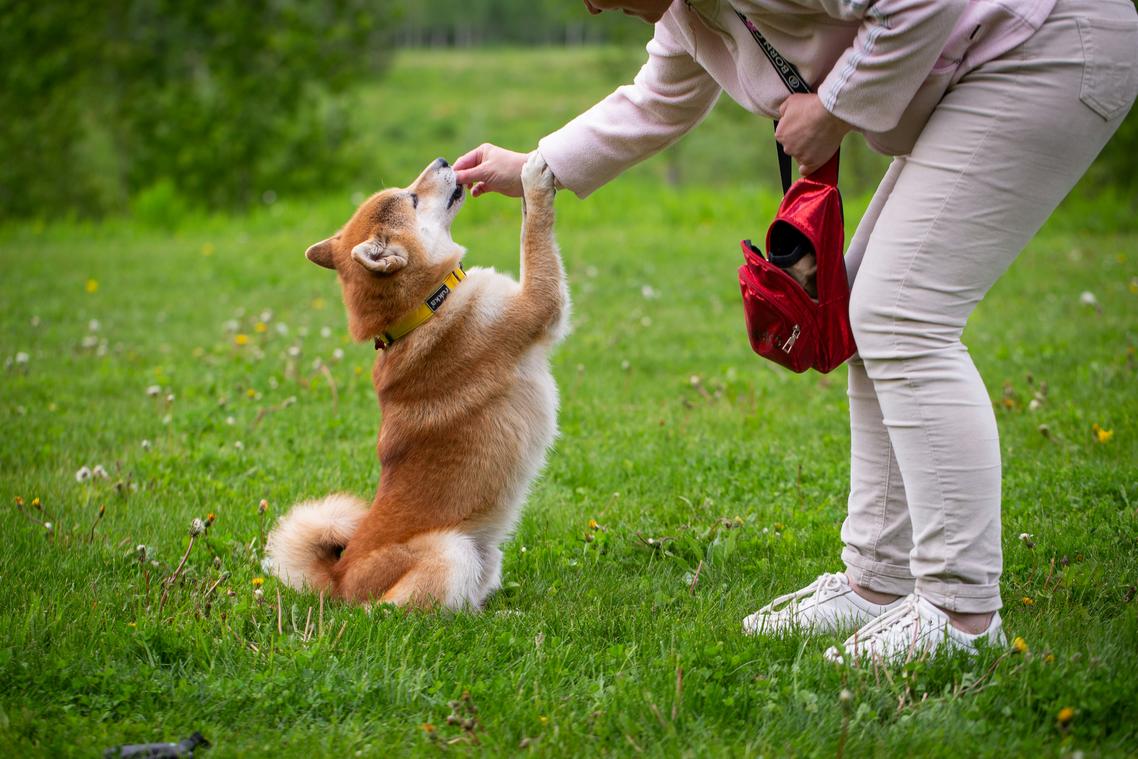
When used thoughtfully, spray training tools for pets can interrupt unwanted behavior without causing harm. The key word here is thoughtfully. Done right, you’re not punishing your pet—you’re communicating.
First and foremost, master the timing. The spray must happen the exact moment the unwanted behavior begins. Dogs and cats associate consequences with actions that occur within one to two seconds (American Kennel Club). If you’re late, they won’t connect the dots (and you’ll both just feel confused).
Equally important, pair the spray with a verbal cue. Use a calm but firm word like “No” or “Off.” Over time, your pet may respond to the cue alone, which is the ultimate goal. Think of the spray as training wheels—you eventually want to remove them.
Next—and this is critical—redirect immediately. After interrupting the behavior:
- Ask for a simple command like “Sit” or “Place.”
- Guide them to an appropriate activity.
- Reward compliance with praise or a small treat.
This process is called positive redirection (replacing an unwanted action with a desired one). Without it, your pet may just find a different “bad” habit.
Consistency also matters. Everyone in the household must respond the same way to the same behaviors. Mixed signals slow learning dramatically (Association of Professional Dog Trainers).
Finally, keep it impersonal. Avoid dramatic reactions. The interruption should feel like a natural consequence—not a personal attack. Calm, consistent guidance builds trust—and better long-term results.
The “Don’ts”: Common Mistakes and When to Avoid Spray Tools
Spray tools can interrupt unwanted behavior in seconds. But misusing them? That can create bigger problems than the barking or jumping you’re trying to fix.
First, never use a spray for fear-based behaviors. If your dog panics during thunderstorms or shows separation anxiety, that reaction is rooted in stress physiology—not defiance. Studies show aversive responses layered onto anxiety can intensify fear circuits rather than resolve them (American Veterinary Society of Animal Behavior). In other words, you’re correcting emotion, not choice.
Here are the non-negotiables:
- Don’t spray at your pet’s face. Aim near the muzzle or chest, never into eyes, nose, or mouth.
- Avoid over-reliance. The tool should complement exercise, enrichment, and rewards—not replace them.
- Don’t use it as a remote control. It interrupts a specific action; it’s not a recall button.
- Consult a professional if aggression, resource guarding, or deeply ingrained habits are involved.
Some critics argue spray training tools for pets are inherently harmful. That’s true when used emotionally or excessively. But when applied with timing, restraint, and follow-up positive reinforcement, they function as interruption cues—not punishments (a subtle but critical difference).
Pro tip: If you can’t clearly identify the trigger and timing, pause training and assess first. Precision—not volume—creates behavior change.
Bringing It All Together With Confidence
You set out to learn how spray-based interrupters can fit into a positive training plan, and now you understand how they can safely redirect unwanted behaviors like jumping or nuisance barking. The real frustration isn’t just the behavior itself — it’s feeling stuck in a cycle that never improves. When used correctly, spray training tools for pets provide a humane, immediate interruption that creates space to reinforce better choices.
Take action today: choose one behavior, stay consistent, and pair every interruption with clear cues and praise. Thousands of pet owners already rely on this balanced approach — start now and turn daily stress into lasting progress.

 Bradfords Austinicolo writes the kind of pet care updates content that people actually send to each other. Not because it's flashy or controversial, but because it's the sort of thing where you read it and immediately think of three people who need to see it. Bradfords has a talent for identifying the questions that a lot of people have but haven't quite figured out how to articulate yet — and then answering them properly.
They covers a lot of ground: Pet Care Updates, Pet Nutrition and Grooming Tips, Behavior Correction Techniques, and plenty of adjacent territory that doesn't always get treated with the same seriousness. The consistency across all of it is a certain kind of respect for the reader. Bradfords doesn't assume people are stupid, and they doesn't assume they know everything either. They writes for someone who is genuinely trying to figure something out — because that's usually who's actually reading. That assumption shapes everything from how they structures an explanation to how much background they includes before getting to the point.
Beyond the practical stuff, there's something in Bradfords's writing that reflects a real investment in the subject — not performed enthusiasm, but the kind of sustained interest that produces insight over time. They has been paying attention to pet care updates long enough that they notices things a more casual observer would miss. That depth shows up in the work in ways that are hard to fake.
Bradfords Austinicolo writes the kind of pet care updates content that people actually send to each other. Not because it's flashy or controversial, but because it's the sort of thing where you read it and immediately think of three people who need to see it. Bradfords has a talent for identifying the questions that a lot of people have but haven't quite figured out how to articulate yet — and then answering them properly.
They covers a lot of ground: Pet Care Updates, Pet Nutrition and Grooming Tips, Behavior Correction Techniques, and plenty of adjacent territory that doesn't always get treated with the same seriousness. The consistency across all of it is a certain kind of respect for the reader. Bradfords doesn't assume people are stupid, and they doesn't assume they know everything either. They writes for someone who is genuinely trying to figure something out — because that's usually who's actually reading. That assumption shapes everything from how they structures an explanation to how much background they includes before getting to the point.
Beyond the practical stuff, there's something in Bradfords's writing that reflects a real investment in the subject — not performed enthusiasm, but the kind of sustained interest that produces insight over time. They has been paying attention to pet care updates long enough that they notices things a more casual observer would miss. That depth shows up in the work in ways that are hard to fake.