

If your cat has suddenly stopped using the litter box, you’re likely frustrated, confused, and worried about what it means. You’re not alone. Litter box issues are one of the most common behavioral concerns among cat owners, and they often signal an underlying problem that needs attention. This article is designed to help you understand why litter box avoidance happens and guide you through practical, effective litter box avoidance solutions that actually work.
We’ll break down the most common causes, from medical concerns and stress triggers to environmental and hygiene factors. You’ll also learn how nutrition, grooming habits, and targeted training approaches can influence your cat’s behavior. Our guidance is grounded in current pet wellness research and evidence-based behavior correction techniques, ensuring you get advice you can rely on.
By the end, you’ll have clear, actionable steps to restore healthy litter box habits and create a more comfortable environment for your cat.
First, Rule Out Health Problems: When to See a Vet
While tackling litter box avoidance in cats can often feel overwhelming, understanding the broader health context, including updated vaccination guidelines for dogs and cats, can provide crucial insights into your pet’s well-being – for more details, check out our Understanding Updated Vaccination Guidelines for Dogs and Cats.
A sudden change in litter box habits is one of the clearest red flags of an underlying medical issue. Cats are creatures of routine (almost to a fault), so when that routine shifts overnight, it’s rarely “just behavior.” According to the American Veterinary Medical Association, lower urinary tract disease is among the most common medical conditions in cats, affecting up to 3% of the feline population annually.
Common health problems linked to litter box avoidance include:
- Urinary Tract Infections (UTIs) – painful inflammation that makes urination uncomfortable
- Bladder stones – mineral buildup that can block or irritate the urinary tract
- Kidney disease – especially in older cats
- Arthritis – joint pain that makes climbing into the box difficult
Watch closely for symptoms such as straining to urinate, frequent trips with little output, crying in the box, or blood in the urine. These signs can indicate serious conditions that require immediate care. In male cats especially, urinary blockages can become life-threatening within 24–48 hours (Cornell Feline Health Center).
Some owners assume stress is the cause and jump straight to litter box avoidance solutions. That’s risky. Medical causes must be ruled out first.
If you notice any of these symptoms, consult a veterinarian immediately. Only after a clean bill of health should you focus on behavior strategies like creating a consistent training plan for long term results.
Creating an Irresistible Litter Box Environment
Let’s be honest: nothing tests your patience faster than a cat who refuses the litter box. The smell. The mystery puddle. The sinking realization that something isn’t working. Before you blame your cat (tempting, I know), look at the setup.
The “N+1” Rule
This rule is simple: you need one more litter box than the number of cats in your home. Two cats? Three boxes. This prevents territorial tension and “lineups” that lead to accidents. Cats value privacy and choice (honestly, don’t we all?). Skipping this step is one of the biggest mistakes people make when searching for litter box avoidance solutions.
Size and Type Matter
Most commercial boxes are too small. Aim for one at least 1.5 times the length of your cat (nose to tail base). Big cats especially need room to turn, dig, and position comfortably.
Many cats dislike:
- Covered boxes (they trap odors and feel claustrophobic)
- Self-cleaning boxes (sudden noises can startle them mid-use)
If it looks sleek in your laundry room but your cat avoids it, that’s your clue.
Location. Location. Location.
Placement is everything. Choose a quiet, low-traffic area away from food and water bowls. Cats don’t want to eat next to their bathroom (neither would you). Ensure there’s an easy escape route so they never feel cornered.
Common Location Mistakes
Avoid placing boxes in:
- Noisy laundry rooms
- Cramped closets
- High-traffic hallways
If the dryer bangs every time your cat steps in, don’t be surprised when they step out permanently. A calm, spacious setup solves more problems than you think.
The Right Litter and a Commitment to Cleanliness
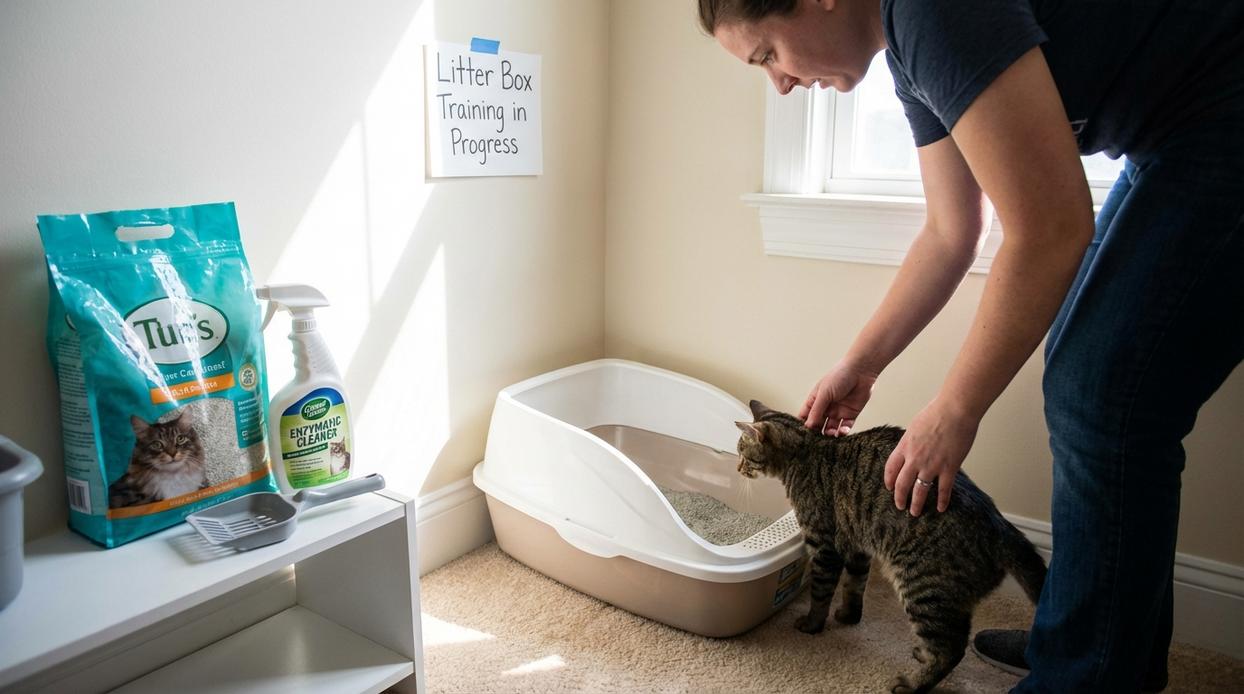
Most cats instinctively prefer fine-grained, unscented clumping litter because it mimics the texture of natural sand or soil. In a study published in the Journal of Feline Medicine and Surgery (2017), researchers found that cats overwhelmingly chose softer, sand-like substrates over pellets or crystals. That preference isn’t pickiness—it’s biology. In the wild, cats bury waste in loose soil to hide scent from predators.
Now, about fragrance. Perfumed litters are made for humans, not cats. A cat’s sense of smell is estimated to be 14 times stronger than ours (VCA Animal Hospitals). What smells “fresh” to you can feel overwhelming to them. It’s like being forced to use a bathroom filled with heavy cologne (not ideal).
Depth matters, too. Aim for 2–3 inches of litter so your cat can dig and bury comfortably. Too shallow, and waste hits the bottom. Too deep, and it feels unstable.
Cleanliness is non-negotiable:
• Scoop at least once daily.
• Fully change litter and wash the box weekly.
The ASPCA notes that dirty boxes are a leading cause of house-soiling. Before exploring litter box avoidance solutions, ensure your setup meets these basics. Pro tip: Many cats prefer one box per cat, plus one extra.
Addressing Stress and Reinforcing Positive Habits
Cats thrive on ROUTINE. When that routine changes—new pets, visiting relatives, even rearranged furniture—it can trigger anxiety that shows up as litter box avoidance. These disruptions feel minor to us (it’s just a new couch, right?), but to your cat, they can signal lost territory or safety.
Why Positive Reinforcement Works
Punishing accidents often backfires, increasing stress and worsening the behavior. Instead, calmly praise your cat or offer a small treat immediately after correct box use. This builds a positive association and reinforces the desired habit.
| Stressor | Impact | Support Strategy |
|---|---|---|
| New pet | Territorial anxiety |
Gradual introductions |
| Moving furniture | Disorientation | Keep box location stable |
| Guests | Noise stress | Provide quiet retreat |
Using Attractants and Calming Aids
Scientifically formulated litter attractant sprays contain scent cues that DRAW cats to the box, while calming pheromone sprays mimic natural facial pheromones to reduce tension. Together, these litter box avoidance solutions make the box more appealing and the environment feel secure (think of it as setting the stage for success).
Helping Your Cat Get Back on Track
You came here looking for real answers to your cat’s litter box struggles — and now you understand the root causes, from stress and medical issues to environmental triggers and training gaps. More importantly, you know that ignoring the problem only makes it worse.
Accidents around your home aren’t just frustrating — they’re stressful, costly, and can strain the bond you have with your pet. The good news? With the right approach and proven litter box avoidance solutions, you can correct the behavior and restore harmony in your space.
The next step is simple: take action today. Evaluate your cat’s environment, apply the behavior correction strategies outlined above, and consider using targeted spray-based training tools to reinforce positive habits. Thousands of pet owners rely on these methods to safely and effectively stop unwanted elimination behaviors.
Your home doesn’t have to smell like frustration. Start implementing these solutions now and give your cat the clear, consistent guidance they need to succeed.