Have you ever looked at your pet and just wished you knew what they were thinking? I know I have. It’s frustrating, right?
We often misinterpret our pets’ signals, leading to confusion and missed chances to bond. But here’s the thing: we can change that. This guide will show you how to decode the rich world of animal body language.
Imagine being a ‘pet whisperer’ for your furry friend. I’ve spent years watching and helping pet owners understand animal behavior (listening with our eyes is key). You might ask, “Can I really do this?” Yes, you can.
With this practical guide, you’ll grasp the body language, scents, and sounds that make up your pet’s silent language.
Ready to truly understand your pet? You’re about to find out how.
The Universal Language: Animal Communication Secrets
Animal non-verbal communication is fascinating. It’s everything an animal does to send a message without speaking like us. I’ve seen it firsthand.
A dog doesn’t need words to tell you it’s scared or confident. Its posture says it all. When a dog makes itself big, it’s showing confidence.
But when it hunches down, low to the ground, it’s scared.
Let’s talk about facial expressions. They’re not just for humans. Animals use their eyes, ears, and mouth to signal their mood.
Ever noticed a dog’s relaxed face? Compare that to a tense jaw and “whale eye” (those whites of the eyes showing). That’s stress talking.
You know what I mean, right?
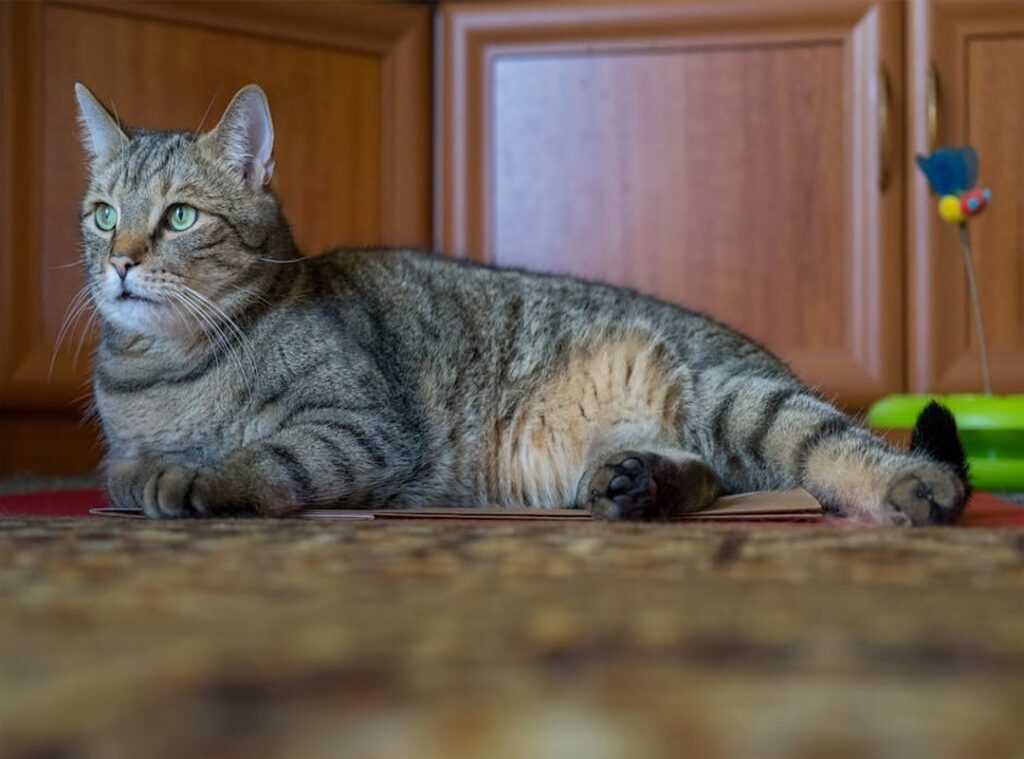
Tails and ears are emotional barometers. A cat with a high tail is friendly. But a puffed-up tail?
That’s fear. With dogs, ear position tells you so much. Curiosity, alertness, or anxiety.
It’s all in the ears.
Understanding animal body language isn’t just cool. It’s important for anyone who wants a deeper connection with their pets. You want your pet to be a part of your life, right?
Then know their language. It’s not just about commands or treats. It’s about knowing when they’re happy or stressed.
That’s why daily habits happy pet is key.
Pro tip: Watch your pet’s body language daily. It’ll make you a better pet parent. And trust me, your pet will appreciate it.
Isn’t that what we all want?
Speaking Dog: Decode the Cues
Ever looked at your dog and wondered what on earth they’re trying to say? Yeah, me too. Dogs are constantly “talking” to us through their body language.
You just have to know what you’re looking for.
The Tail Tells a Tale: Forget the old “wagging means happy” myth. It’s so much more complex. A high, stiff wag? That’s not happiness; it’s arousal. They’re on alert. But a low, slow tuck? That’s fear, plain and simple. Then there’s the full-body, “helicopter” wag. That’s pure joy. It’s like your dog is saying, “I’m ecstatic to see you!”
Ears Up, Ears Down: Ears are like a dog’s mood ring. Forward and alert ears mean curiosity. They’re interested in something. Pinned back? They’re scared or trying to appease. Relaxed ears? That’s a chill dog. They’re in a neutral state, just hanging out.
Stress Signals (Calming Signals): Dogs have subtle ways of showing stress. Lip licking when there’s no food around is one. They’re uncomfortable. Ever seen a dog yawn when they’re not tired? That’s another sign of stress. And the classic shake-off? It’s not just for getting dry. They’re trying to shake off tension. These are signs your dog isn’t feeling great.
Play vs. Pre-Fight: The “play bow” is a lifesaver. Front end down, back end up. It’s your dog’s way of saying, “Let’s play!” Any growling or chasing that follows? All in good fun. They’re not being aggressive. They’re just having a blast.
Understanding animal body language is key if you want to connect with your dog. It’s like learning a new language, but worth every bit of effort. It deepens the bond we have with our furry friends.
And let’s face it, who doesn’t want to know what their dog is thinking?
Cracking the Cat Code: Understanding Feline Feelings
Cats. They’re not like dogs. Dogs wear their hearts on their sleeves (fur, technically).

Cats? They’re a bit more mysterious. Does your cat’s tail look like a question mark?
That’s a happy greeting. But if it twitches at the tip, you might be dealing with a focused or slightly irritated kitty. And if it puffs up like a bottle brush, watch out.
Extreme fear or aggression is in the air.
The eyes are next. Ever noticed a cat’s slow blink? It’s a cat kiss.
A sign of trust and affection. But a hard, unblinking stare? That’s a challenge.
It’s like a stare-down in an old western. Except with more fur. And probably less gunfire.
Let’s talk sounds. Meows, chirps, and trills. All part of the feline vocabulary.
But did you know purring isn’t always about happiness? Sometimes, it’s self-soothing when a cat is stressed or in pain. Like when you hum to yourself in a long line.
And those chirps and trills? They’re friendly greetings. A bit like saying “hello” with a twist of feline charm.
Body language is a big deal. When a cat rubs against you, it’s not just being sweet. It’s marking you with its scent.
A sign of affection and ownership (you’re basically their property now). But a hunched back and flat ears? That’s a clear “back off” signal.
Ever wonder about signs emotional distress pets? It’s all in the body language.
So, what’s the deal with animal body language? It’s complex but fascinating. A real-life puzzle.
Cats may not wear their emotions openly, but they’re always communicating. Are you listening? Or maybe watching?
Decoding your cat can be a journey. But it’s worth every moment. Just pay attention.
They’re saying more than you think.
Beyond Body Language: The World of Scent
Ever wonder what your dog is doing when it sniffs around like it’s solving a mystery? It’s more than just getting a whiff. Dogs are reading the pee-mail left by others.
Each sniff tells a story: who was there, their mood, maybe even their health. It’s a whole communication system delivered through scent.
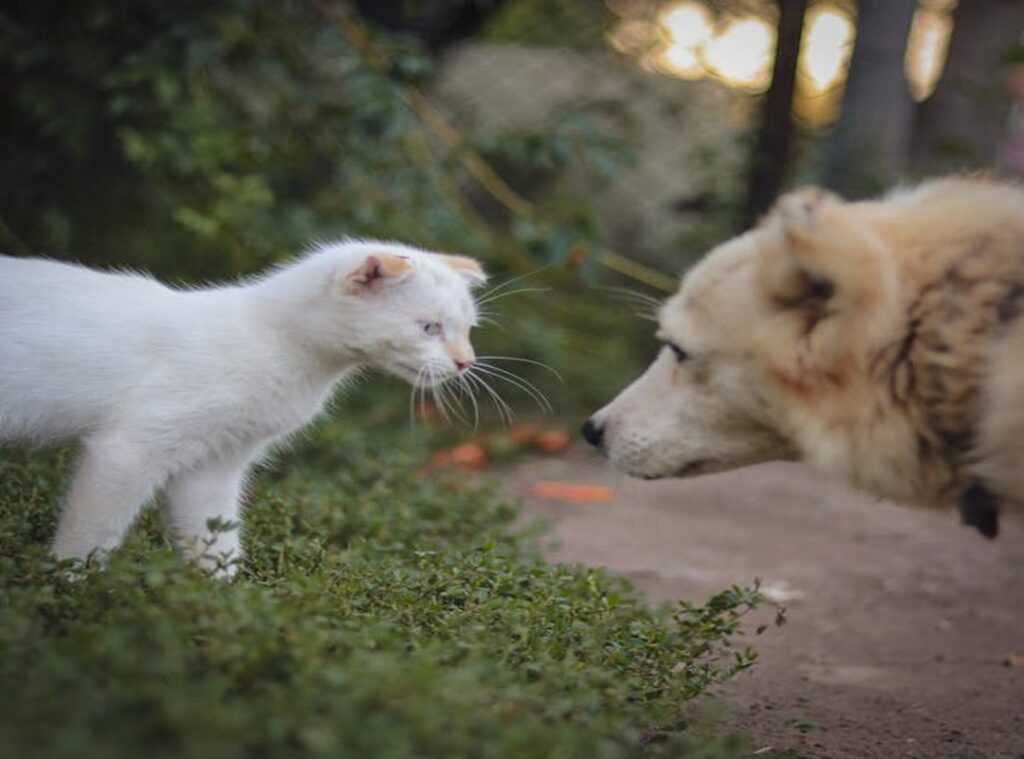
Cats do it too, but with a bit more finesse. Those cheek rubs? They’re not just affection (though we love to think so).
Cats have scent glands in their cheeks and paws. When they rub against you or the couch, they’re marking you as theirs. It’s like a feline hug that says, “You’re part of my world now.”
Knowing this, that new cat hiding under the bed makes more sense. It’s trying to understand the scent messages already in its new territory. It’s not about shyness; it’s decoding its new world.
Understanding these dynamics (call it animal body language, if you will) gives us a peek into why dogs are obsessed with that one fire hydrant or why our cats rub against everything. It’s all a form of communication, as detailed as any spoken language. Who knew our pets were such chatterboxes?
See What Your Pet’s Telling You
We miss out on a lot by not paying attention to what our pets are showing us. It’s time to start listening with your eyes. Want a stronger bond and happier home?
Learn to read their animal body language. It’s the key.
Here’s your task: Spend 10 minutes watching your pet. What do their tail, ears, and body say? Observe, understand, and improve your relationship today.
Get closer to your pet now. You won’t regret it.

 Bradfords Austinicolo writes the kind of pet care updates content that people actually send to each other. Not because it's flashy or controversial, but because it's the sort of thing where you read it and immediately think of three people who need to see it. Bradfords has a talent for identifying the questions that a lot of people have but haven't quite figured out how to articulate yet — and then answering them properly.
They covers a lot of ground: Pet Care Updates, Pet Nutrition and Grooming Tips, Behavior Correction Techniques, and plenty of adjacent territory that doesn't always get treated with the same seriousness. The consistency across all of it is a certain kind of respect for the reader. Bradfords doesn't assume people are stupid, and they doesn't assume they know everything either. They writes for someone who is genuinely trying to figure something out — because that's usually who's actually reading. That assumption shapes everything from how they structures an explanation to how much background they includes before getting to the point.
Beyond the practical stuff, there's something in Bradfords's writing that reflects a real investment in the subject — not performed enthusiasm, but the kind of sustained interest that produces insight over time. They has been paying attention to pet care updates long enough that they notices things a more casual observer would miss. That depth shows up in the work in ways that are hard to fake.
Bradfords Austinicolo writes the kind of pet care updates content that people actually send to each other. Not because it's flashy or controversial, but because it's the sort of thing where you read it and immediately think of three people who need to see it. Bradfords has a talent for identifying the questions that a lot of people have but haven't quite figured out how to articulate yet — and then answering them properly.
They covers a lot of ground: Pet Care Updates, Pet Nutrition and Grooming Tips, Behavior Correction Techniques, and plenty of adjacent territory that doesn't always get treated with the same seriousness. The consistency across all of it is a certain kind of respect for the reader. Bradfords doesn't assume people are stupid, and they doesn't assume they know everything either. They writes for someone who is genuinely trying to figure something out — because that's usually who's actually reading. That assumption shapes everything from how they structures an explanation to how much background they includes before getting to the point.
Beyond the practical stuff, there's something in Bradfords's writing that reflects a real investment in the subject — not performed enthusiasm, but the kind of sustained interest that produces insight over time. They has been paying attention to pet care updates long enough that they notices things a more casual observer would miss. That depth shows up in the work in ways that are hard to fake.