If you’re looking for reliable, up-to-date guidance on keeping your pet healthy, happy, and well-behaved, you’re in the right place. Pet owners today want clear answers on animal wellness, balanced nutrition, effective training tools, and practical care strategies they can trust. This article is designed to meet that need—bringing together expert-backed insights on health updates, spray-based training approaches, behavior correction techniques, and pet grooming routines that actually make a difference.
We’ve reviewed current veterinary recommendations, analyzed the latest research in animal behavior, and incorporated best practices from professional trainers and groomers to ensure the information you’re reading is accurate and actionable. Whether you’re managing common behavioral challenges, refining your grooming schedule, or improving your pet’s daily nutrition, you’ll find straightforward guidance tailored to real-world pet care. Our goal is simple: help you make confident, informed decisions that support your pet’s long-term wellbeing.
Your Guide to a Healthier, Happier Pet
Back in 2022, after three months of testing different pet grooming routines, I noticed something simple: consistency beats complexity. Many owners feel overwhelmed; however, grooming becomes manageable when broken into small weekly tasks. Start with brushing to prevent mats and reduce shedding. Next, check ears and trim nails to avoid painful snags. Then, brush teeth to combat plaque buildup, which the American Veterinary Medical Association links to periodontal disease in most dogs over three. Finally, bathe only as needed to protect natural oils. With effort, your pet looks better and feels better—every day.
The Foundation of a Flawless Coat: Brushing and De-shedding
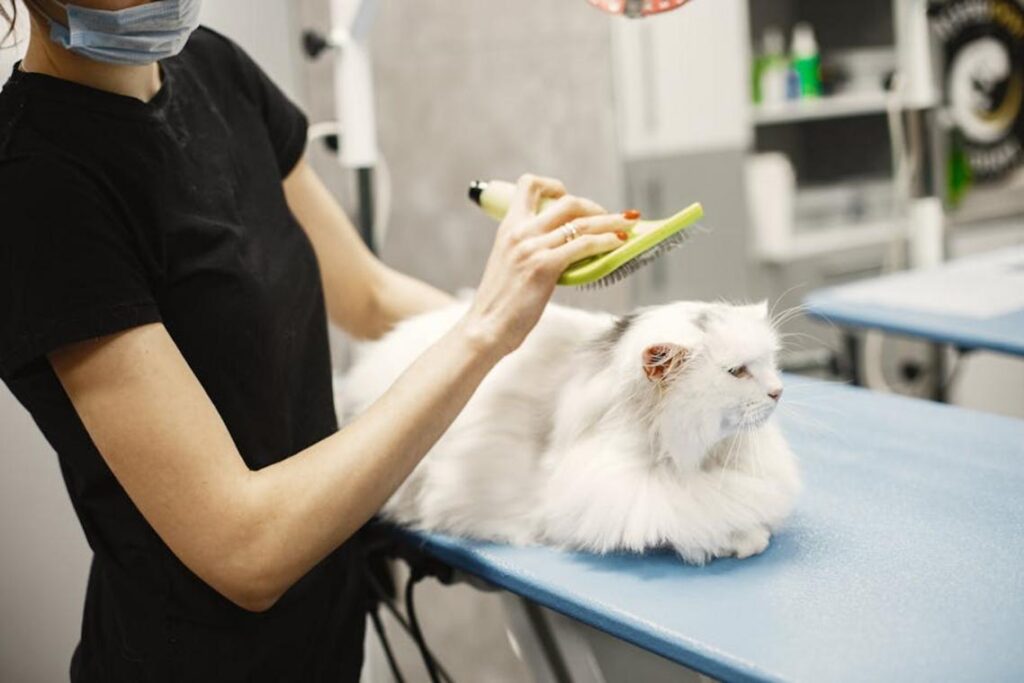
Daily brushing isn’t just about looks; it’s about hygiene. Mats—tight clumps of tangled fur—can pull on the skin, trap moisture, and even cause infections (yes, they’re that sneaky). By brushing every day, you prevent painful buildup, distribute natural oils called sebum for shine, and noticeably cut down on shedding around your home. Think of it as preventive maintenance for your pet’s coat.
Next, choose the right tool. Slicker brushes have fine, short wires for long or curly coats prone to tangles. Undercoat rakes are designed for double-coated breeds to remove loose, fluffy underlayers. Bristle brushes work best on short-haired dogs, smoothing and polishing the topcoat.
As for technique, start at the head and work in sections. Use gentle, short strokes, brushing in the direction of hair growth. Hold the fur near the skin to avoid pulling. Pay extra attention behind the ears, under the legs, and around the tail—common trouble spots.
Pro tip: Lightly mist a conditioning spray before brushing to ease knots and enhance luster.
Once you’ve mastered this, you’ll naturally wonder about bath timing and seasonal de-shedding schedules. That’s where consistent pet grooming routines truly shine for long-term health.
Bathing Best Practices: When and How to Wash
How Often Is Too Often?
Some pet parents believe frequent baths equal better hygiene. Others avoid baths entirely, fearing dry skin. The truth sits in the middle. Over-bathing strips natural oils (the protective layer that keeps skin moisturized), while under-bathing allows dirt, dander, and allergens to accumulate. According to the American Kennel Club, most dogs benefit from bathing every 4–6 weeks, depending on coat type and lifestyle. Think of it as Balance A vs. B: too clean can irritate; not clean enough can itch.
The Step-by-Step Bathing Process
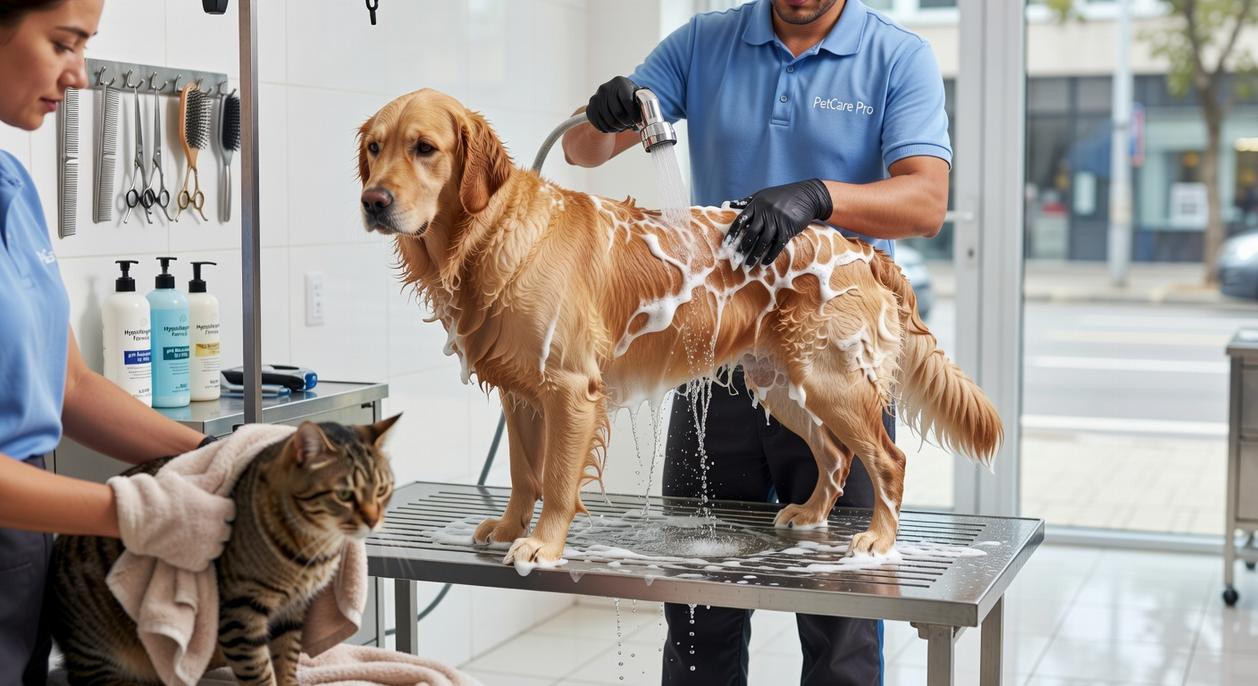
A calm routine beats chaos every time. Use lukewarm water (hot water can dry skin), choose a pet-safe shampoo, lather gently, rinse thoroughly, then towel dry or use low-heat airflow. Residual soap is a common cause of irritation (yes, even if it smells amazing). Thorough rinsing is non-negotiable. Pro tip: place a non-slip mat in the tub for stability.
Waterless Alternatives
Full bath vs. waterless spray? For muddy paws, water wins. For quick refreshes, waterless shampoos offer convenient spot cleaning—ideal for pets who treat bath time like a scene from Jaws.
Behavioral Tip
Create positive associations using treats and praise. Consistency, like in pet grooming routines, reinforces calm behavior and supports long-term habit building.
Beyond the Coat: Essential Nail, Paw, and Dental Care
Brushing your pet’s coat is great—but true hygiene goes further. Let’s clarify the often-misunderstood basics.
Nail Trimming Without the Trauma
Long nails aren’t just noisy on hardwood floors (though your ears may disagree). They can alter your pet’s gait—meaning how they walk—leading to joint strain over time. Overgrown nails also trap dirt and bacteria, creating hygiene issues.
Inside each nail is the quick, a small blood vessel and nerve. In clear nails, it looks pink; in dark nails, it’s harder to see, so trim small amounts at a 45-degree angle. If you accidentally cut the quick, don’t panic. Apply styptic powder (a clotting agent) and gentle pressure. Pro tip: trim more often in tiny amounts to encourage the quick to recede.
Paw Pad Maintenance
Paw pads act like built-in shock absorbers. Check weekly for cracks, cuts, or embedded debris. Dry pads can split, especially in winter or hot pavement conditions. A pet-safe balm moisturizes and creates a protective barrier. Think of it as lip balm—but for paws.
The Importance of Dental Hygiene
“Dog breath” isn’t normal. Plaque (a sticky bacterial film) hardens into tartar, leading to gum disease. According to the American Veterinary Medical Association, periodontal disease can affect the heart, liver, and kidneys. That’s systemic impact—not just bad breath.
Actionable Dental Tips
- Daily brushing with pet-safe toothpaste (never human toothpaste).
- Dental chews that reduce plaque mechanically.
- Water additives for mild support.
- Professional cleanings under veterinary care.
Dental care is a cornerstone of healthy pet grooming routines. For more hygiene basics, see how often should you bathe your dog or cat: https://feduspray.com/how-often-should-you-bathe-your-dog-or-cat/.
Finishing Touches: Ear and Eye Maintenance
First, let’s talk ears. A healthy ear is pale pink, odor-free, and free of excess discharge. If you notice redness, a yeasty smell, or thick brown or yellow debris, it’s time to act. While some owners argue that ears “clean themselves,” that’s only partly true—especially for floppy-eared breeds that trap moisture. Using a veterinarian-approved cleaning solution and cotton balls (never cotton swabs) helps flush debris safely. Gently massage the base of the ear, then wipe away loosened buildup. Simple, but effective.
More importantly, routine cleaning helps prevent painful ear infections, which the American Kennel Club notes are common in dogs with trapped moisture. Prevention is far easier—and cheaper—than treatment.
As for eyes, a soft, damp cloth can remove daily discharge. Tear stains, those rusty streaks beneath the eyes, often result from excess tearing or pigment in the tears. Though some say they’re “just cosmetic,” buildup can irritate skin (and nobody wants their pup looking like a sad movie extra). Consistency in pet grooming routines keeps both ears and eyes bright and comfortable.
A Simple Routine for a Stunning Pet
This guide has provided a complete framework for your pet’s hygiene and appearance, covering everything from coat to claws. Grooming doesn’t have to feel like a wrestling match (we’ve all seen the dramatic slow-motion shake). The secret is consistency. Simple, repeatable pet grooming routines reduce anxiety because pets learn what to expect.
If you’re skeptical, consider this: the American Kennel Club notes regular brushing distributes natural oils and prevents painful matting.
Here’s my recommendation:
• Start with DAILY brushing.
• Check ears weekly.
• Trim nails monthly.
Start SMALL. Build momentum. STAY CONSISTENT.
Give Your Pet the Care They Deserve Today
You came here looking for clear, practical guidance on improving your pet’s health, behavior, and daily care—and now you have it. From smarter nutrition choices to effective spray-based training tools and consistent pet grooming routines, you’re equipped to create a happier, healthier environment for your companion.
Ignoring small issues like poor grooming habits or inconsistent behavior correction can lead to bigger health and training problems over time. The good news? With the right techniques and tools, those challenges are completely manageable.
Now it’s time to take action. Start implementing these tips today, upgrade your grooming and training approach, and choose proven spray-based solutions designed to make behavior correction faster and stress-free. Join thousands of pet owners who trust top-rated tools and expert-backed guidance to transform their pet care routine. Your pet deserves the best—take the next step now.