
If you’re searching for clear, reliable guidance on pet exercise requirements, you likely want to know how much activity your pet truly needs—and how to meet those needs safely and effectively. With so much conflicting advice online, it can be difficult to separate general tips from guidance that actually supports your pet’s long-term health and behavior.
This article breaks down exercise needs by species, breed tendencies, age, and energy level, helping you understand what’s appropriate and why it matters. We’ll also explore how proper physical activity connects to behavior balance, weight management, and overall wellness, along with practical ways to build exercise into your daily routine.
Our insights are grounded in up-to-date animal wellness research and established veterinary recommendations, ensuring you receive accurate, responsible information you can confidently apply. By the end, you’ll have a clearer understanding of how to support your pet’s physical and mental well-being through the right exercise approach.
More Than a Walk: A New Philosophy on Pet Activity
I’ll say it: a quick lap around the block is NOT a complete fitness plan. Too many owners underestimate their pet exercise requirements, then wonder why the couch gets shredded (hint: boredom). Modern animal behavior science shows physical movement and mental stimulation work together to prevent anxiety and obesity (American Veterinary Medical Association).
Here’s what I believe every routine needs:
- Breed-specific intensity
- Age-appropriate duration
- Enrichment games for problem-solving
- Rest and recovery time
A Border Collie isn’t a Bulldog. Adjust accordingly. When you tailor activity with intention, you prevent problems before they start.
Decoding Your Pet’s Unique Exercise Blueprint
When it comes to pet exercise requirements, I firmly believe there’s no such thing as a one-size-fits-all plan (despite what your neighbor swears worked for their dog).
Factor 1: Breed and Genetic Predisposition
A Border Collie without a “job” is basically a genius stuck in detention. These high-drive dogs thrive on agility, herding games, or advanced obedience. A brachycephalic (short-nosed) breed like a Pug, however, needs low-impact, heat-sensitive walks due to breathing limitations (AVMA). Expecting the same routine from both? That’s like training an Olympian and a couch-loving cartoon cat the same way.
Factor 2: Age and Life Stage
Puppies need short, frequent play sessions to protect developing joints (AAHA). Seniors benefit from gentle, consistent movement to ease arthritis stiffness. Movement is medicine—but only in the right dose.
Factor 3: Current Health and Physical Condition
For obesity, hip dysplasia, or heart disease, modify intensity and always consult a vet. I’m opinionated here: guessing is risky.
- Low-impact swimming for joint issues
- Controlled leash walks for weight loss
- Strict monitoring for cardiac pets
Factor 4: Personality and Temperament
Not all dogs are dog-park dogs. Some thrive socially; others prefer scent work and solo hikes. And honestly? That’s perfectly fine.
The Three Pillars of a Complete Exercise Routine

In my opinion, most pet owners think exercise starts and ends with a walk around the block. It doesn’t. A truly balanced routine rests on three essential pillars, and skipping one is like building a house with a missing wall (it might stand, but not for long).
-
Physical Exertion (The Body)
This goes beyond casual strolling. Aerobic activities—like jogging, swimming, or even a spirited game of fetch—strengthen the heart, improve lung capacity, and support lean muscle tone. According to the American Veterinary Medical Association, regular activity helps reduce obesity and related diseases in pets. Meeting basic pet exercise requirements isn’t optional; it’s foundational to long-term health. I’ve seen high-energy dogs transform behaviorally once their physical output finally matched their energy input. -
Mental Stimulation (The Brain)
Boredom is often the hidden culprit behind chewing, barking, and digging. “Brain games” such as puzzle feeders, scent-tracking games, and learning new commands challenge cognitive function and reduce stress. Studies published in Applied Animal Behaviour Science link enrichment activities to fewer behavioral issues. I firmly believe mental workouts can be just as tiring as physical ones (sometimes more). As a bonus, they often improve routines tied to sleep—see sleep patterns in pets whats normal and whats not: https://feduspray.com/sleep-patterns-in-pets-whats-normal-and-whats-not/ -
Social Interaction (The Pack)
Structured, positive socialization builds confidence. Safe introductions to other pets and calm exposure to new people prevent fear-based reactions. When done gradually and consistently, social time shapes a balanced, well-adjusted companion.
Skip one pillar, and you’ll likely feel the imbalance. Support all three, and everything changes.
Practical & Engaging Activities for Every Pet
Keeping pets active isn’t just about burning energy—it’s about meeting their physical and mental needs in ways that fit their age, breed, and personality.
For High-Energy Dogs
If your dog treats the living room like a racetrack, structured outlets are essential.
- Flirt poles mimic prey movement and channel chase instincts safely.
- DIY agility courses (think cones, tunnels, and broomstick jumps) build focus and coordination.
- Bikejoring or canicross lets athletic owners run or cycle while their dog pulls in a controlled setup.
Some argue long walks are enough. For certain breeds, maybe. But working dogs often need challenges that truly satisfy their pet exercise requirements, not just casual strolls.
For Low-Impact Needs
Older pets or those with joint issues benefit from gentler options.
- Swimming supports body weight and reduces joint strain.
- Nose work games—like hiding treats around the house—engage the brain without taxing the body.
- A relaxed “sniffari” walk allows exploration at the pet’s pace (yes, stopping every five steps counts).
For Cats (Often Overlooked)
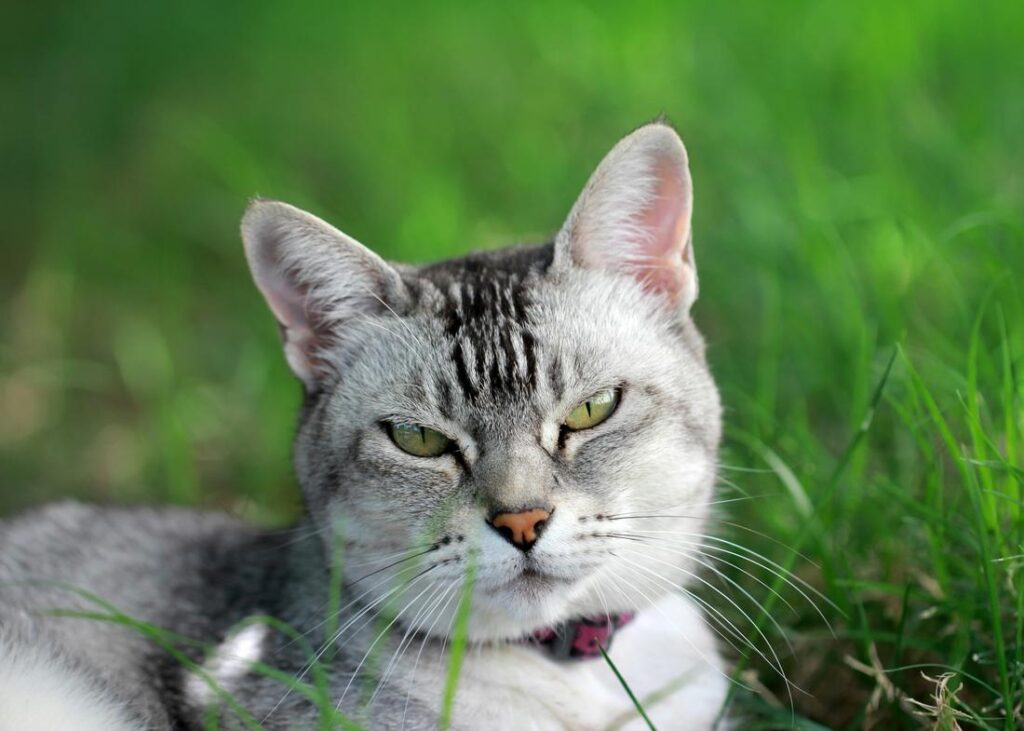
Cats need play that mimics hunting cycles: stalk, chase, catch.
- Feather wands encourage leaps and pounces.
- Laser pointers should always end with a tangible toy to “catch.”
- Vertical climbing spaces—cat trees or shelves—expand territory and confidence.
For Indoor-Only Pets
Indoor life doesn’t have to mean boredom.
- Create food treasure hunts.
- Try short clicker training sessions to reinforce positive behaviors.
- Rotate toys weekly to maintain novelty (out of sight really does refresh excitement).
Small, consistent efforts create happier, healthier companions.
Reading the Signs: Is Your Pet Over or Under-Exercised?
First, understanding pet exercise requirements helps you spot trouble early. When activity falls short, pets often show it through:
- Hyperactivity – bursts of zoomies that never seem to end.
- Nuisance barking or meowing – vocal protests for stimulation.
- Destructive chewing or scratching – furniture becomes fair game.
- Weight gain and restlessness – pacing like they’re late for something.
On the other hand, too much exercise brings different red flags. For example, severe panting, lagging behind, stiffness, limping, heat exhaustion, or sudden disinterest in play signal it’s time to scale back. Balance, after all, keeps tails wagging safely.
A Lifetime of Active, Balanced Wellness
A truly effective plan blends physical, mental, and social stimulation tailored to your pet’s unique personality (yes, even the dramatic ones). Meeting pet exercise requirements means more than longer walks—it means smarter engagement.
Behavioral issues like chewing or excessive barking often stem from boredom, not defiance. The solution isn’t just more activity, but the right mix.
Try this today:
- Introduce a puzzle feeder at mealtime.
- Schedule a 5-minute focused training session.
- Rotate toys weekly to maintain novelty.
Pro tip: Observe energy shifts after each activity and adjust. Small, consistent upgrades create lifelong balance.
Helping Your Pet Thrive Starts Today
You came here looking for clear, practical guidance on improving your pet’s health, behavior, and daily routine — and now you have it. From understanding proper nutrition and grooming habits to using spray-based training tools effectively, you’re better equipped to support your animal’s overall wellness.
Ignoring small behavior issues or overlooking pet exercise requirements can lead to bigger problems down the road — from anxiety and destructive habits to long-term health concerns. The good news? With the right techniques and consistent care, these challenges are completely manageable.
Now it’s time to take action. Start implementing the tips you’ve learned today — adjust their routine, reinforce positive behaviors, and make exercise a non-negotiable part of their day. If you want trusted, proven guidance that pet owners rely on every day, explore our expert-backed resources and training solutions designed to make behavior correction and wellness simple and effective.
Your pet depends on you. Take the next step today and give them the balanced, happy life they deserve.