

If you’re searching for practical, humane ways to handle your dog’s nonstop barking, you’re in the right place. Excessive barking can strain relationships with neighbors, disrupt your home environment, and signal underlying stress or behavioral issues in your pet. This article is designed to help you understand the real reasons behind the noise and provide clear, actionable strategies for correcting excessive barking effectively.
We draw on up-to-date pet care research, modern behavior correction techniques, and proven training approaches used by experienced animal care professionals. Instead of quick fixes that ignore the root cause, you’ll learn how to identify triggers, use spray-based training tools responsibly, and reinforce positive behaviors that last.
Whether your dog barks out of boredom, anxiety, territorial instincts, or attention-seeking, this guide will walk you through practical steps to restore calm—while protecting your dog’s well-being and strengthening your bond.
Why Won’t My Dog Stop Barking? Understanding the Root Cause
Living with constant barking can feel overwhelming (especially when it starts at 6 a.m.). First, know this: excessive barking isn’t about a “bad dog.” It’s a communication issue. Dogs bark to alert, seek attention, express fear, or burn off boredom.
To start correcting excessive barking, follow these steps:
- Identify the trigger: Doorbell? Strangers? Loneliness?
- Interrupt calmly: Use a firm cue like “quiet,” then reward silence.
- Redirect energy: Offer a toy or short training drill.
- Reinforce consistency: Everyone in the home follows the same plan.
For example, if your dog barks at passersby, close blinds and reward calm behavior. With patience and repetition, your home becomes peaceful again.
What Is Your Dog Trying to Tell You? Decoding Different Barks
Not all barks are created equal. Think of them as different ringtones for different situations (yes, your dog has better notification settings than your phone).
Territorial/Alarm Barking vs. Greeting/Excitement Barking
A high-pitched, rapid سلسلة of barks aimed at the door or window usually signals territorial or alarm barking. The trigger? A perceived intruder—delivery driver, squirrel, or that one neighbor your dog has decided is suspicious. In contrast, greeting barking is lighter, often paired with tail wags and happy yips when familiar people arrive. Same volume sometimes, very different intent.
Attention-Seeking Barking vs. Boredom/Loneliness Barking
Attention-seeking barks are deliberate and directed at you—pause, bark, stare. It’s a clear “Hey, I need something.” Boredom barking, however, is more monotonous and continuous, especially when your dog is alone. One says, “Play with me.” The other says, “I have nothing to do.”
Some argue that barking is just normal dog behavior and should be ignored. True—to a point. But understanding patterns is the first step toward correcting excessive barking without suppressing healthy communication.
Actionable Tip: Keep a barking journal for a few days. Note time, trigger, and bark type. Patterns reveal causes—and causes guide smarter training decisions.
The “Quiet” Command: Your Foundational Training Technique
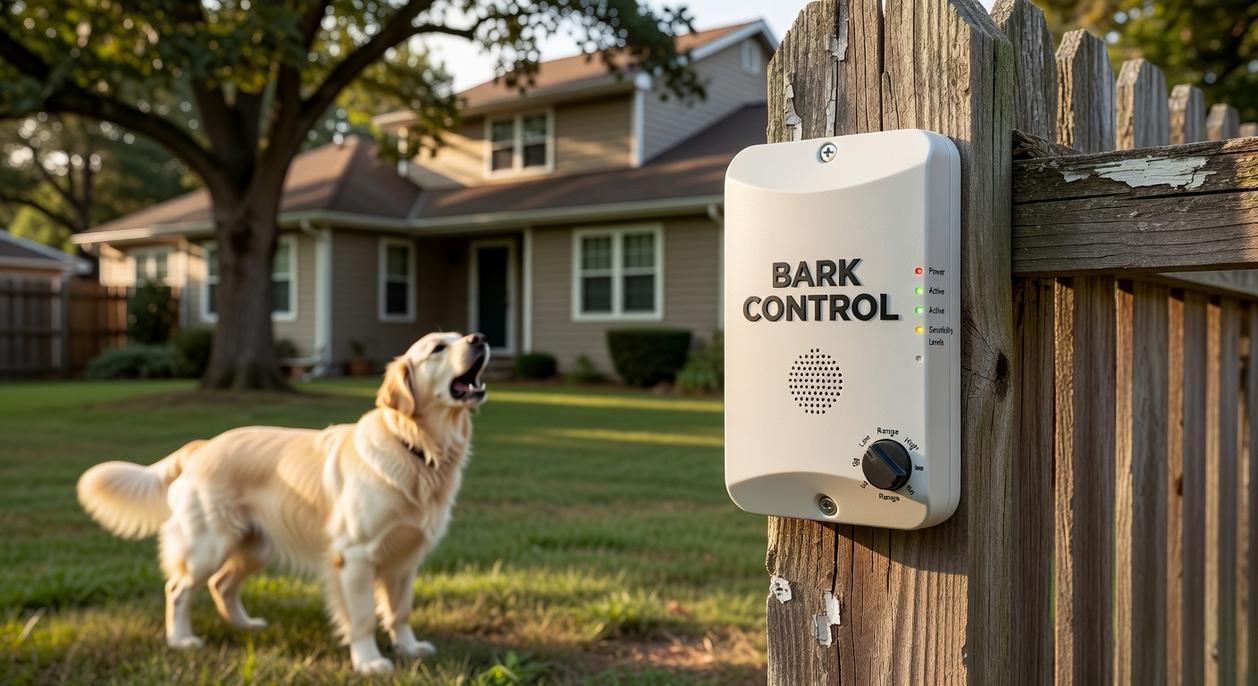
Teaching the “Quiet” command is one of the most reliable methods for correcting excessive barking. It sounds simple—and it is—but consistency makes all the difference.
Step 1: When your dog starts barking, let them bark two or three times. Then, calmly and firmly say, “Quiet.” (Not a shout. Not a plea. Just steady.)
Step 2: Immediately present a high-value treat—something they don’t get every day—right in front of their nose. Most dogs will pause barking to sniff. That pause is your golden moment.
Step 3: The instant they stop making noise, praise them warmly: “Good quiet!” Then deliver the treat. Timing matters more than volume here.
Step 4: Gradually increase how long they must stay silent before earning the reward. Start with two seconds. Then five. Then ten. Work your way up to a minute or more. (Think of it like building a muscle—slow and steady.)
Now, a quick admission: some trainers debate whether letting a dog bark “two or three times” reinforces the behavior. In my experience, it doesn’t—if you consistently reward the silence instead. But dogs are individuals, and you may need small adjustments.
Crucial Reminder: Never yell “Quiet!” Yelling often sounds like you’re barking along with them, which can escalate the chaos.
Pro tip: Pair this command with other behavior strategies, like those used in stopping destructive chewing in puppies and adult dogs, for more balanced results.
Training isn’t magic—but done patiently, it works.
Last spring, my neighbor’s delivery schedule turned my quiet afternoons into a barking marathon. I kept trying to hush my dog after each outburst, until a trainer friend reminded me that proactive management matters just as much as reactive training. That shift changed everything.
For Territorial Barking, block the view that fuels it. Dogs guard what they can see. Adding privacy film to front windows, closing blinds during peak foot traffic, or setting up baby gates to limit access near doors reduces visual triggers. (Out of sight really can mean out of mind.)
For Boredom Barking, think enrichment. A tired dog is a quieter dog. Rotate puzzle toys, use food-dispensing balls, and schedule brisk walks or scent games daily. Mental stimulation—activities that challenge your dog’s brain—can lower nuisance barking, according to the American Kennel Club. Pro tip: freeze kibble in a stuffed toy to buy yourself 30 focused minutes.
For Alarm Barking, soften the soundtrack. White noise machines, box fans, or calming music help mask hallway footsteps or passing cars. The goal isn’t silence; it’s reducing the sharp sounds that spark a reaction.
Managing the environment is foundational to correcting excessive barking before it starts. Consistency makes the difference. Daily.
When to Consider Training Aids and Professional Help
Sometimes, basic commands aren’t enough. That’s where humane training aids come in. To clarify, a pattern interrupter is a tool designed to briefly break a dog’s focus—not to punish, scare, or cause pain. Think of it like clapping your hands to snap someone out of daydreaming (surprising, but harmless).
For example, spray-based interrupters release a quick burst of citronella or unscented air. The sudden sensation distracts the dog during a barking episode, creating a pause. However, the spray alone isn’t the solution. It works best when immediately followed by redirecting to a trained cue like “Quiet,” then rewarding compliance. In other words, the tool interrupts; you teach the alternative behavior.
When correcting excessive barking, consistency matters.
That said, tools aren’t always enough. If barking stems from severe separation anxiety, aggression, or compulsive behavior (repetitive actions driven by stress), consult a certified veterinary behaviorist or professional trainer. Early guidance prevents escalation.
A Quieter Home Starts With Clarity
You came here for one reason: a solution to nonstop barking. Constant barking is stressful for you and confusing for your dog (yes, even if it sounds confident). The good news? correcting excessive barking works when you follow a complete, multi-faceted plan:
- Identify the trigger (the specific cause, like strangers or boredom)
- Teach an alternative behavior such as the “Quiet” command
- Manage the environment to reduce repeated stimulation
This approach targets the root issue, not just the noise. Start today: pinpoint the main trigger and practice “Quiet” for five minutes.
Take Control of the Barking and Restore Calm
You came here looking for real solutions to your dog’s nonstop noise—and now you understand what triggers it, how reinforcement works, and which training methods actually create lasting change. Excessive barking isn’t just frustrating; it disrupts your peace, strains neighbor relationships, and can make daily life stressful for both you and your dog.
The good news? With the right techniques and consistent use of spray-based training tools, correcting excessive barking becomes clear, manageable, and effective. When you address the root cause and respond the right way every time, you’re not just stopping noise—you’re building better communication and a calmer home.
Now it’s your move. Start applying these techniques today and stay consistent. If you’re ready for faster, proven results, explore our top-rated spray training solutions trusted by thousands of pet owners for safe, humane behavior correction. Don’t let constant barking control your home—take action now and create the quiet, balanced environment you and your dog deserve.