
We’ve all been there, right? You come home to find your couch shredded or your pet barking at shadows. It’s frustrating.
But here’s the thing: understanding your pet’s behavior isn’t about shouting commands. It’s about communication. This article is for you if you’re tired of the chaos and ready for a change.
We’re diving into pet behavior management strategies that actually work. Why trust us? We’ve helped thousands of pet owners turn chaos into calm.
It’s not just about stopping the madness. You get to build a happier, stronger relationship with your furry pal.
And yes, we’ll discuss pet aggression solutions too. By the end, you’ll have a step-by-step system to understand your pet and create lasting change. Ready to calm the storm?
Let’s get started.
Decode Your Pet’s Behavior: The ‘Why’ Behind It All
Ever feel like your pet’s a mystery? You’re not alone. All behavior is communication.
It’s like being a pet detective (yes, I went there) trying to crack the code. The first step in finding pet aggression solutions is understanding what your pet’s trying to tell you.
So, what causes these behaviors? It often boils down to a few key things.
Fear & Anxiety: Loud noises or strangers can turn your pet into a nervous wreck. This often looks like aggression or destruction.
Boredom & Lack of Stimulation: Pets need mental and physical exercise. Without it, they might chew your favorite shoes.
Unmet Physical Needs: Sometimes it’s as simple as hunger or needing to go potty. You’d be cranky too, right?
Medical Issues: If behavior changes suddenly, consider a vet visit. Pain or illness can make pets act out.
Understanding these causes is key. If you’re dealing with an anxious pet, you might want to check out effective techniques anxious pets. It’s all about decoding what your pet needs and responding in a way that makes sense to them.
Because when you understand the why, you’re halfway to a solution.
Proactive Strategies: Nail Pet Success
The easiest way to manage bad pet behavior? Stop it before it starts. You’ve probably heard this before, but it’s true.
Set your furry friend up for success by using proactive strategies. Let’s talk about Environmental Management. Ever tried “pet-proofing” your home?
It’s worth it.
Remove those tempting shoes (you know, the ones they love), block off areas with baby gates, and offer chew toys to redirect that bitey energy. A predictable routine also does wonders for keeping anxiety at bay. Consistent feeding times, regular walks, and scheduled potty breaks make a world of difference.
But there’s more. Energy Management is key. Physical activities like walks or playing fetch burn off that excess energy. Mental stimulation (puzzle) toys or training sessions (keeps) their minds busy.
Bored dogs find trouble, trust me.
Now, for pet aggression solutions, understanding triggers is key. Do your homework. Check out this resource for takeaways on reactivity and aggression in dogs.
It’s a game changer.
A solid routine and energy outlets can transform your pet’s behavior. But hey, sometimes things don’t go as planned. That’s when professional guidance might help (don’t be shy about seeking it).
Your pet deserves the best, and so do you. When you’re proactive, you’re saving yourself and your pet from unnecessary stress. Who wouldn’t want that?
Keeping your home pet-proofed and your pet engaged isn’t just about preventing chaos. It’s about forging a harmonious life together, where everyone wins.
Positive Reinforcement: The Heart of Your Training Plan
Positive reinforcement is simple: reward the behavior you want more of. It’s not just effective; it’s better for your relationship with your pet. Punishment?

It only brings stress. You want your dog to be happy, right? It’s about building trust, not fear.
Let’s tackle a common issue: your dog jumping on guests. It’s awkward (and a little annoying). Here’s how you fix it, step by step.
First, set the scene. Have treats at the ready before any guest steps inside. Next, manage the situation.
Keep Fido on a leash. You need control here.
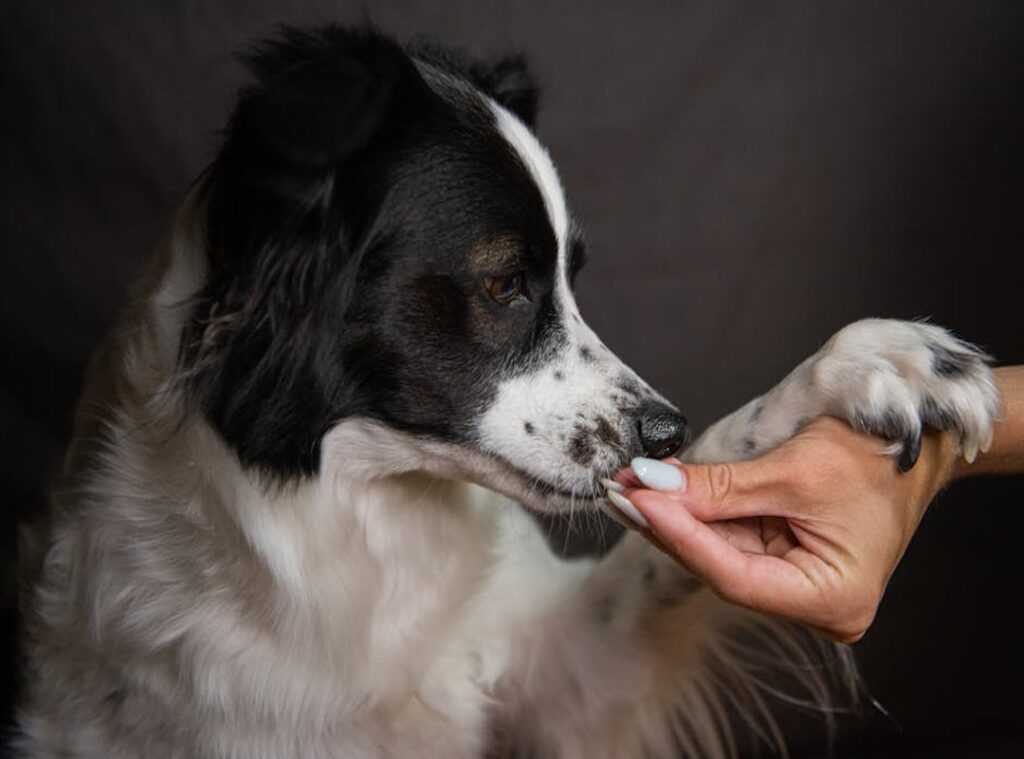
When your guest approaches, ask for an alternate behavior. A simple ‘sit’ does wonders. Once those paws hit the floor, mark and reward.
That’s right (‘Yes!’) and treat time. This isn’t a one-and-done deal. Repeat. Consistency is your best friend.
Your pet needs to learn that calm earns rewards.
Think of timing like a comedy punchline. It’s key. Don’t offer a treat long after the good behavior.
You’ll just confuse them. And use rewards they love. No dry kibble (use) the good stuff.
You want them excited for what’s coming.
Why does this matter? Positive reinforcement isn’t just about commands. It’s a foundation for dealing with bigger issues like pet aggression.
You’re teaching them to make better choices. Problems feel less sticky when you’re focusing on good behavior.
Ready to learn more? Dive into this guide. You’ll find all you need to know about making positive behavior stick.
Remember, the key is patience and the right reward. Your pet will thank you. And so will your guests.
Choosing the Right Tools: Humane Aids for Effective Management
When it comes to training pets, the tools you choose can make or break the process. Why? Because fear-based methods like shock or prong collars don’t just fail to teach; they can actually make things worse.
Pets learn best when they’re not scared out of their minds. That’s why I swear by humane tools for training.
Take clickers. They’re simple yet effective. You can “mark” a good behavior precisely when it happens, giving your pet clear feedback.
It’s like giving them a gold star without the sticker. And for those high-energy pets? Puzzle feeders and lick mats are lifesavers.
They offer mental stimulation and help reduce anxiety. Who knew that dinner time could also be brain training?
Now, let’s talk about walks. If you’ve ever been dragged down the street by an overenthusiastic pup, you know the struggle. Front-clip harnesses can change the game.
They help manage pulling without choking your pet, making walks more enjoyable for both of you.
And what about those moments when your pet just won’t stop barking? Humane interrupters are your go-to. A quick, harmless spray or sound can break their focus, letting you redirect to something positive.
No fear, no fuss.
These tools aren’t just about convenience. They’re about fostering a healthy relationship with your pet. A relationship built on trust, not fear.
So why settle for less? Humane training tools aren’t just a nice-to-have; they’re important for effective pet aggression solutions. Choose wisely, and you’ll see the benefits.
Both for your pet and yourself.
Open up a Peaceful Pet-Friendly Home
You’ve got the tools now. That stress and frustration from dealing with a misbehaving pet? It doesn’t have to be your everyday reality.
Understanding your pet’s needs is the foundation. Preventing problems by being proactive is key. Rewarding good behavior strengthens your bond and transforms chaos into calm.
It’s simple, really.
But here’s the kicker: small and consistent changes make a big impact. Want a happier home? Start today.
Pick one plan from this guide. Maybe introduce a puzzle toy. Or schedule an extra 10-minute walk.
These aren’t just suggestions. They’re your stepping stones to real peace.
And if you’re dealing with more serious issues, like aggression, remember there are pet aggression solutions out there.
Ready to take that step? Choose and set up just one plan now. Your pet wants to behave better.
You want a stress-free home. That’s what makes this work. Make it happen.

 Bradfords Austinicolo writes the kind of pet care updates content that people actually send to each other. Not because it's flashy or controversial, but because it's the sort of thing where you read it and immediately think of three people who need to see it. Bradfords has a talent for identifying the questions that a lot of people have but haven't quite figured out how to articulate yet — and then answering them properly.
They covers a lot of ground: Pet Care Updates, Pet Nutrition and Grooming Tips, Behavior Correction Techniques, and plenty of adjacent territory that doesn't always get treated with the same seriousness. The consistency across all of it is a certain kind of respect for the reader. Bradfords doesn't assume people are stupid, and they doesn't assume they know everything either. They writes for someone who is genuinely trying to figure something out — because that's usually who's actually reading. That assumption shapes everything from how they structures an explanation to how much background they includes before getting to the point.
Beyond the practical stuff, there's something in Bradfords's writing that reflects a real investment in the subject — not performed enthusiasm, but the kind of sustained interest that produces insight over time. They has been paying attention to pet care updates long enough that they notices things a more casual observer would miss. That depth shows up in the work in ways that are hard to fake.