
If you’re searching for ways to stop destructive chewing, you’re likely dealing with damaged furniture, ruined shoes, or constant frustration over your pet’s behavior. You don’t just want quick fixes—you want solutions that actually work and support your pet’s health and happiness.
This article is designed to give you exactly that. We’ll break down why pets chew, what triggers destructive habits, and how to redirect that behavior using safe, effective training techniques and spray-based tools. You’ll also learn how proper nutrition, enrichment, and consistent routines play a critical role in long-term behavior improvement.
To ensure accuracy and reliability, we’ve consulted established veterinary guidance, animal behavior research, and professional training best practices. The goal is simple: provide clear, practical steps you can apply immediately to protect your home while helping your pet develop healthier chewing habits.
Why Your Favorite Shoes Became a Chew Toy
Chewing is natural for dogs and cats; it’s how they explore, relieve stress, and soothe teething pain. But when your sneakers become the target, frustration spikes.
The fix isn’t punishment—it’s strategy.
First, manage the environment. Store shoes in closed closets and limit access when you’re away. (If it’s on the floor, it’s fair game.)
Second, redirect with durable chew toys matched to your pet’s size and bite strength. Rotate them weekly to keep interest.
Third, reward calm choices. When they choose the toy, praise and reinforce to stop destructive chewing for good.
Understanding the Root Cause: The Psychology of Chewing
Chewing isn’t random mischief—it’s communication. The key is timing and context.
Is It Boredom or Anxiety?
Back in 2020, a surge in remote work revealed a pattern: pets left alone after months of constant companionship showed increased destructive behavior. Boredom chewing usually happens when pets lack stimulation. You’ll notice it after long naps or during quiet afternoons. Anxiety-driven chewing, especially separation anxiety, tends to spike within the first 30 minutes after you leave. Look for pacing, whining, or scratched doors alongside the damage.
The Teething Phase
For puppies and kittens, the first six months are critical. Teething discomfort peaks around three to six months in dogs (American Kennel Club). Chewing soothes inflamed gums—it’s less rebellion, more relief effort. (Think of a toddler with a teething ring.)
Exploration and Play
Young pets explore the world mouth-first. Shoes, chair legs, remote controls—everything is data. This instinctual learning phase typically fades with consistent redirection.
Nutritional Deficiencies
Though less common, pica—eating non-food items—can stem from mineral deficiencies (Merck Veterinary Manual). Warning signs include:
- Persistent chewing on rocks or fabric
- Digestive upset
- Lethargy
Understanding the “why” helps you stop destructive chewing before it becomes a lasting habit.
Step 1: Proactively Managing Your Pet’s Environment
If your pet keeps chewing, scratching, or knocking things over, the first fix isn’t training—it’s management. Think of it as setting the stage for success. When the environment changes, behavior often follows (funny how that works).
Pet-Proofing Your Home
Go room by room with this simple checklist:
- Secure electrical cords with cord covers or wall clips
- Store cleaning supplies and chemicals in locked cabinets
- Keep shoes, remotes, and children’s toys in bins or closets
- Move trash cans behind closed doors
If it’s not on the floor, it can’t be chewed. SIMPLE, but powerful.
The Power of Confinement
When you can’t supervise directly, use crates, baby gates, or a designated pet-safe room. Confinement isn’t punishment—it’s prevention. Dogs naturally den; cats appreciate controlled territory. A properly introduced crate becomes a calm retreat, not a “time-out zone.”
Pro tip: Add a familiar blanket or toy to make the space feel safe, not restrictive.
Removing the Temptation
A tidy home is your secret weapon to stop destructive chewing. Build habits the whole family follows:
- Shoes go in closets immediately
- Backpacks hang on hooks
- Counters stay clear
Consistency matters more than perfection.
Making ‘Off-Limits’ Items Unappealing
Spray-based deterrents add another layer of protection. Apply the spray directly to the object (not near your pet’s face). The goal is for your pet to associate the unpleasant taste with the item—not with you. Reapply as directed for effectiveness.
If behavior issues overlap with other concerns, such as litter habits, explore resources on addressing litter box avoidance in cats for broader environmental solutions.
Chewing is natural for dogs and even some cats. The goal isn’t to eliminate it—it’s to redirect it.
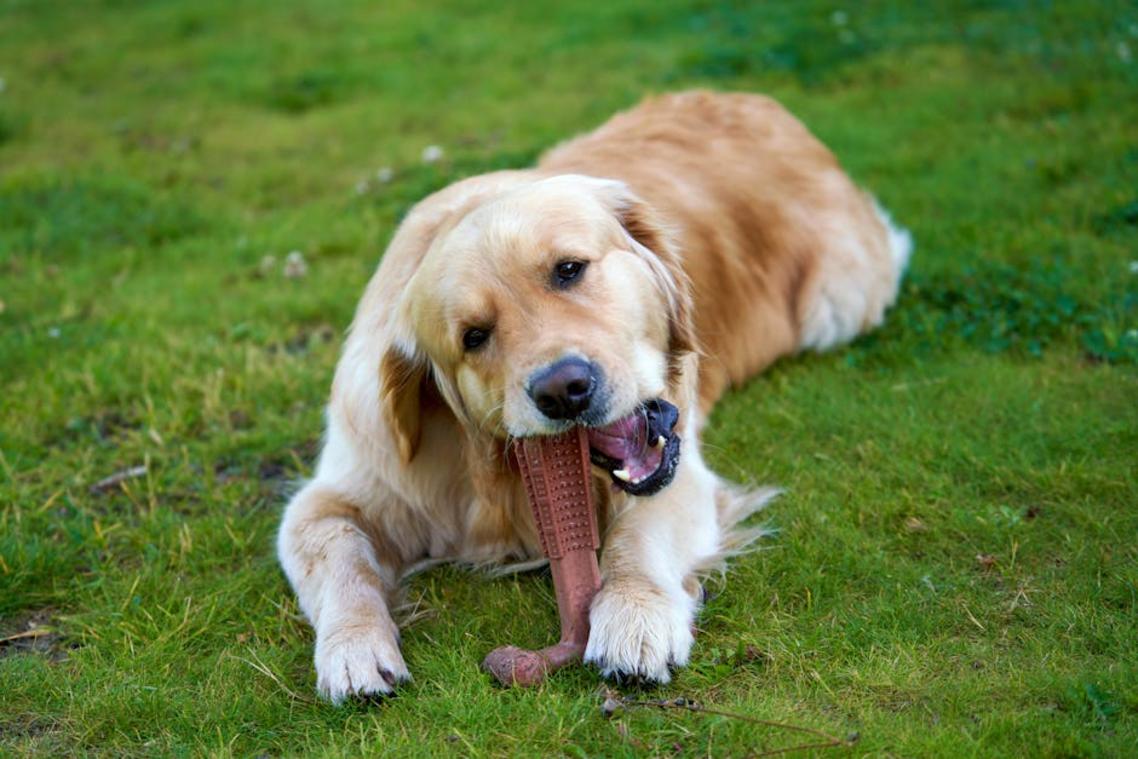
Choosing the Right Chew Toys
Start by matching the toy to your pet’s size and chew strength. Rubber toys are flexible and great for moderate chewers. Nylon chews are firmer and better for power chewers. Dental chews are edible treats designed to support oral health (the Veterinary Oral Health Council notes certain products reduce plaque and tartar buildup).
If you have a Labrador who destroys tennis balls in minutes, choose heavy-duty rubber. For a small breed, softer textured chews are safer and more enjoyable. When in doubt, check weight guidelines on the packaging and supervise the first few sessions. Pro tip: if you can’t dent it slightly with your fingernail, it may be too hard for your pet’s teeth.
The Value of Interactive and Puzzle Toys
Next, engage their brain. Puzzle toys are enrichment tools—meaning they challenge your pet mentally. Boredom is a major trigger for destructive chewing, according to the American Kennel Club. Try stuffing a hollow toy with kibble and a smear of peanut butter (xylitol-free only). Suddenly, that toy becomes more exciting than your table leg.
Rotating Toys to Maintain Interest
To keep things fresh, rotate toys every few days. This taps into “toy novelty,” the renewed excitement pets feel when reintroduced to something familiar (like rediscovering an old favorite show).
Finally, avoid cooked bones, brittle plastics, or small items that pose choking risks. With the right setup, you can stop destructive chewing safely and effectively.
Positive reinforcement works because dogs repeat behaviors that pay off. Start with the ‘Leave It’ command: hold a high-value treat (think rotisserie-chicken level, not dry kibble) in your closed fist and say “leave it.” The moment your pet looks away, mark it with a cheerful YES and reward from the other hand. This teaches impulse control—the ability to resist temptation.
If chewing starts, calmly interrupt with a neutral “ah-ah,” remove the item, and redirect to an approved toy. No yelling (that’s just background noise).
When they choose correctly, PRAISE BIG. Consistent rewards stop destructive chewing fast in your home consistently.
Building a Chew-Proof Home and a Happier Pet
Start with an anecdote about my Labrador, who once devoured a couch cushion before breakfast (yes, really). I learned that destructive chewing is often anxiety-driven behavior—meaning stress, boredom, or teething pushes pets to gnaw. To stop destructive chewing, I used a three-step rhythm: management (blocking access), redirection (offering puzzle toys), and training (rewarding calm choices). Consistency matters because pets crave clear cues. Try one room first and rotate safe chews like treat-stuffed toys. Pro tip: freeze them for longer engagement. Small wins build trust—and save your shoes. Peace follows patience.
Take Control of Your Dog’s Chewing Behavior Today
You came here looking for real solutions to your dog’s chewing habits — and now you have them. From understanding the root cause of the behavior to using consistent training techniques and spray-based tools, you’re equipped with practical strategies that can truly stop destructive chewing before it causes more stress in your home.
Uncontrolled chewing isn’t just frustrating — it can damage your belongings, create safety risks, and strain your relationship with your pet. The good news is that with the right approach, this behavior is manageable and often quickly improved.
The next step is simple: put these techniques into action today. Choose a high-quality, pet-safe spray training aid, stay consistent with reinforcement, and redirect your dog toward appropriate chew alternatives.
Thousands of pet owners trust proven, spray-based behavior correction methods to protect their homes and restore peace. If you’re ready to stop the damage and build better habits, start now — your furniture (and your sanity) will thank you.