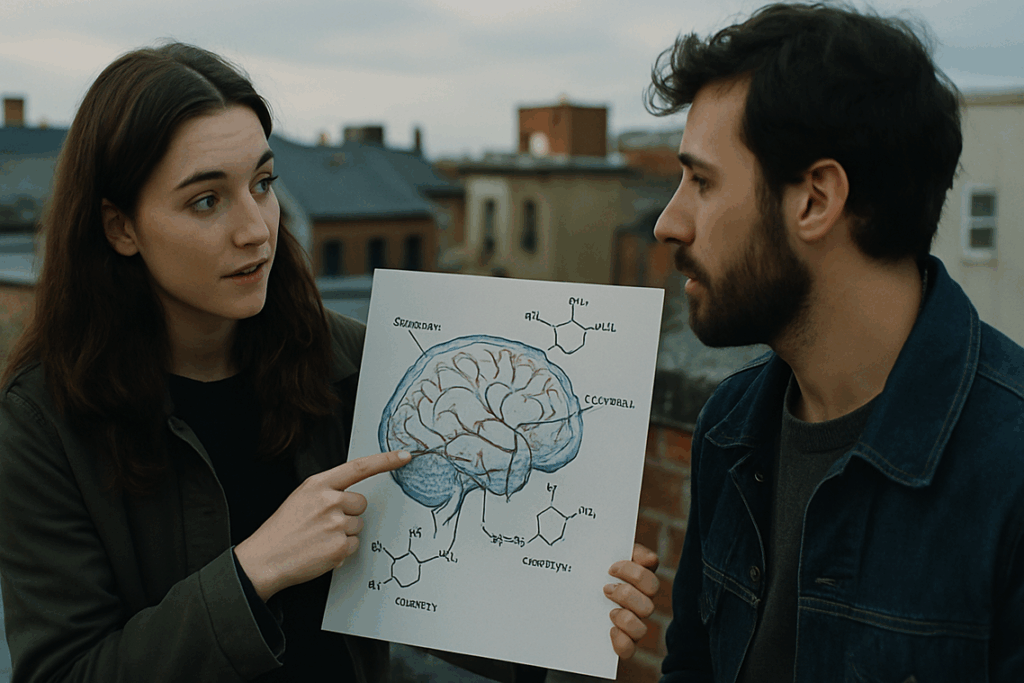

If you’ve ever wondered what your dog is really trying to tell you, you’re in the right place. Understanding subtle cues—like ear position, tail movement, posture, and eye contact—can completely change the way you respond to your pet. This canine body language guide is designed to help you interpret those signals clearly and confidently, so you can strengthen your bond and prevent common behavior issues before they escalate.
Many pet owners misread signs of stress, excitement, or fear, which can lead to confusion or unintentional reinforcement of unwanted behaviors. Here, you’ll learn how to recognize key physical and behavioral indicators, what they mean, and how to respond appropriately in everyday situations.
Our guidance is grounded in up-to-date animal behavior research and widely accepted training principles, ensuring you receive practical, reliable insights you can apply immediately. By the end of this article, you’ll have a clearer understanding of your dog’s emotions—and the tools to communicate more effectively.
Why Your Dog’s Silence Speaks Volumes
Your dog may not text you updates, but trust me, they’re talking. A lot. Silence isn’t empty—it’s information. When you miss the cues, confusion (and chewed sneakers) follow.
Think of this as your canine body language guide to everyday moments. Research shows dogs rely primarily on body signals, not vocalization, to communicate discomfort or joy (American Kennel Club).
Watch for:
- Tail height and speed
- Ear position shifts
- Lip licking or yawning when stressed
A stiff wag isn’t always friendly—sometimes it’s “please back up, buddy.” Learn the signs, build trust, avoid drama. Even Lassie had boundaries.
The Telltale Trio: Decoding Tails, Ears, and Eyes
Back in 2019, behavior researchers at the University of Bari found that dogs wag more to the right when feeling positive and more to the left when stressed (Quaranta et al., 2007). Translation? The tail isn’t just for wagging.
A high, stiff wag signals arousal or alertness (think: “Who goes there?”). A loose, sweeping wag usually means friendliness—the full-body wiggle you see after five minutes apart. A tucked tail points to fear or submission, while the joyful “helicopter” wag—wide, circular swishes—often appears during reunions. (Yes, it’s as adorable as it sounds.)
Ears and Eyes: The Subtle Truth-Tellers
Ears act like emotional antennas. Erect and forward means interest or focus. Pinned back can indicate fear or anxiety. Relaxed, neutral ears? That’s calm contentment. Over time—say, after three months of daily walks—you’ll notice patterns unique to your dog.
Now the eyes. Soft eyes (relaxed lids, gentle gaze) signal comfort. A hard stare, by contrast, can be a warning. And “whale eye”—when the whites show in a crescent shape—is a classic stress cue noted by the American Kennel Club (AKC, 2023). It often appears just before a dog withdraws or reacts.
Here’s a quick observation exercise from any reliable canine body language guide:
- During mealtime, walks, and rest, note tail height, ear position, and eye softness.
- Track changes for one week.
Pro tip: Context matters. A wag at the vet’s office may not mean the same thing as a wag at the park (timing is everything).
Beyond the Bark: Understanding Canine Vocalizations
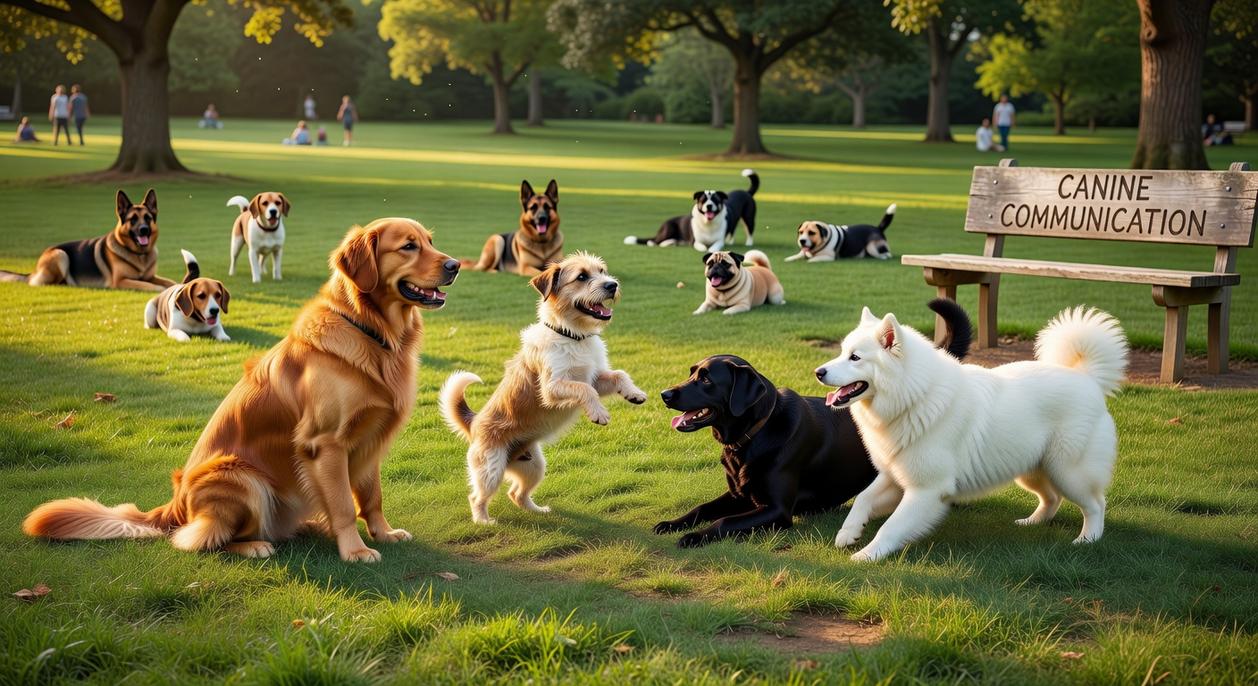
Dogs don’t just bark—they broadcast. To really understand them, we need to clarify what those sounds mean and how context shapes them.
The Spectrum of Barks
First, pitch (how high or low a sound is) and frequency (how often it repeats) matter. A high-pitched, rapid bark usually signals excitement—think of your dog greeting you like you’re a returning superhero. In contrast, a low, steady bark often functions as a warning. It’s measured, deliberate, and says, “Something’s not right.” Context completes the picture: the same bark at the park versus at midnight carries very different meanings.
The Meaning of a Growl
Now, here’s a common misunderstanding. A growl isn’t “bad behavior.” It’s communication. Specifically, it means, “I’m uncomfortable—please stop.” Punishing a growl can suppress the warning without removing the discomfort, which may lead to a bite without notice (and that surprises everyone). In other words, the growl is useful data.
Whines, Yelps, and Howls
Whining can signal attention-seeking, anxiety, excitement, or pain. A yelp is typically a sharp response to sudden discomfort. Howling, meanwhile, is long-distance communication—an echo of ancestral wolf behavior. For deeper insight, consult a canine body language guide to match sounds with posture and facial cues.
Putting It All Together: Posture and Context Are Everything
A tail wag doesn’t always mean “friendly.” That’s one of the biggest myths repeated in every basic canine body language guide. Context changes everything. A wagging tail paired with a stiff spine, hard eyes, and a closed mouth signals tension. The same wag on a loose, wiggly body with soft eyes signals joy. (Yes, the tail gets all the attention—but it’s only one actor on stage.)
Some argue that certain signals are universal and easy to spot. But real-world experience tells a different story. Dogs communicate in clusters of cues, not isolated gestures. Reading one signal without the rest is like judging a movie from a single frame.
Fearful vs. Aggressive Posture
Visually, the difference is striking:
- Fearful Dog: Low to the ground, weight shifted backward, tail tucked tightly, ears pinned, eyes wide with visible whites (often called “whale eye,” when the whites of the eyes show in a crescent shape).
- Offensively Aggressive Dog: Tall and rigid, chest forward, weight shifted toward you, tail high and still, direct stare.
Both may growl—but their intent is worlds apart.
Signs of a Happy, Relaxed Dog
Look for a loose body, soft almond-shaped eyes, neutral ears, and gentle tail wags that move the hips. The mouth may hang slightly open, almost like a relaxed smile (think of Dug from Up, but less animated).
The Play Bow
The play bow—front legs stretched forward, rear end up—is a universal “this is just for fun” signal. It initiates play and diffuses tension during roughhousing.
Pro tip: Watch transitions between postures. The shift often reveals more than the pose itself.
For broader animal behavior insights, see the evolution of domestic cats through history.
Common Signals We Get Wrong and How to Correct Them
We’ve all seen the classic movie moment: the hero reaches down, the dog wags its tail, cue happy music. However, Myth 1 says a wagging tail always means joy. Not quite. A stiff, high, rapid wag can signal anxiety or even aggression. Think of it less like a metronome of happiness and more like a barometer of arousal (good or bad).
Then there’s Myth 2: yawning only means they’re tired. In reality, yawning is a primary calming signal. Dogs use it to defuse tension—like saying, “Let’s all relax.”
Similarly, Myth 3 assumes licking equals affection. Yet repeated lip licking when no food is present often signals stress.
Finally, Myth 4: a belly-up dog always wants a rub. Sometimes it’s appeasement, not an invitation. Forcing contact can heighten fear.
In short, a reliable canine body language guide helps decode what’s really happening—because your dog isn’t auditioning for a sitcom; they’re communicating.
Most people think love alone builds a great dog relationship. It doesn’t. Observation does. When you study posture, ear set, tail carriage, and eye tension through a reliable canine body language guide, frustration fades. Consistency turns signals into conversations. Guess less, respond better, and trust grows naturally. Over time together.
Understand Your Dog. Strengthen Your Bond.
You came here to better understand what your dog is trying to tell you through posture, movement, and subtle signals. Now you can recognize the difference between relaxed and anxious behavior, spot early signs of stress, and respond in a way that builds trust instead of confusion.
Misreading your dog’s signals can lead to frustration, unwanted behavior, or even safety concerns. But when you know what to look for, you prevent problems before they escalate and create a calmer, happier environment for both of you.
Keep this canine body language guide handy and start observing your dog more intentionally today. If you want faster results and real behavior improvements, explore our top-rated spray-based training tools designed to correct unwanted habits safely and effectively. Thousands of pet owners trust our solutions to create lasting change.
Don’t wait for small issues to turn into bigger ones. Take action now and give your dog the clear communication and guidance they deserve.