If you’ve ever stood in the pet food aisle feeling overwhelmed by ingredient lists, health claims, and marketing buzzwords, you’re not alone. Pet owners today want to make informed choices—but understanding pet food labels can feel confusing and time-consuming. This article is designed to cut through that confusion and give you clear, practical guidance on what those labels really mean, which ingredients matter most, and how to choose food that supports your pet’s long-term health and wellbeing.
We’ve carefully reviewed current veterinary nutrition guidelines, industry labeling standards, and expert recommendations to ensure the information you’re reading is accurate and up to date. By the end, you’ll know how to evaluate protein sources, spot fillers, interpret guaranteed analysis panels, and make confident decisions tailored to your pet’s unique needs. Your pet depends on you—this guide helps you choose wisely.
Why Your Pet’s Food Label is More Than Just a List of Ingredients
Pet food packaging can feel like decoding a foreign language. Terms like “crude protein” (the total protein content, not quality) and “by-product meal” often sound alarming—or impressive—depending on the marketing spin. However, understanding pet food labels is the difference between guessing and choosing with purpose.
Proper nutrition fuels energy, coats, digestion, even calmer behavior. Some argue premium branding guarantees quality. Yet studies from the FDA show labels, not slogans, reveal nutrient balance.
By the end, you’ll confidently compare formulas and select food tailored to your pet’s needs.
Decoding the “Guaranteed Analysis”: Protein, Fat, Fiber, and Moisture”
If you’ve ever flipped over a bag or can, you’ve seen the Guaranteed Analysis panel. It lists the minimum or maximum percentages of key nutrients in the food. Think of it as the nutrition label’s Cliff Notes version—helpful, but not the whole story.
Crude Protein (Min)
Protein supports muscle development, tissue repair, immune function, and overall growth. The word crude simply means the total measured amount, not the quality. A chicken-based formula and a by-product-heavy formula may show the same percentage, but digestibility can differ significantly (AAFCO explains this distinction in nutrient profiling guidelines). Not all proteins are created equal.
Crude Fat (Min)
Fat is a primary energy source and helps maintain healthy skin and a shiny coat. Essential fatty acids like omega-3s and omega-6s also support brain and joint health. Back in 2019, when grain-free diets surged in popularity, many formulas increased fat to boost palatability (and pets certainly noticed).
Crude Fiber (Max)
Fiber aids digestion and gut health by supporting beneficial bacteria. A maximum is listed because too much fiber can dilute nutrients and reduce digestibility.
Moisture (Max)
Moisture dramatically impacts nutrient density. Wet food may list 10% protein, dry food 24%—but water skews the numbers. To compare fairly, convert to dry matter basis:
Dry Matter % = (Nutrient % ÷ (100 − Moisture %)) × 100
After three months of label comparisons, this formula consistently revealed the real differences. Mastering this step is essential to truly understanding pet food labels.
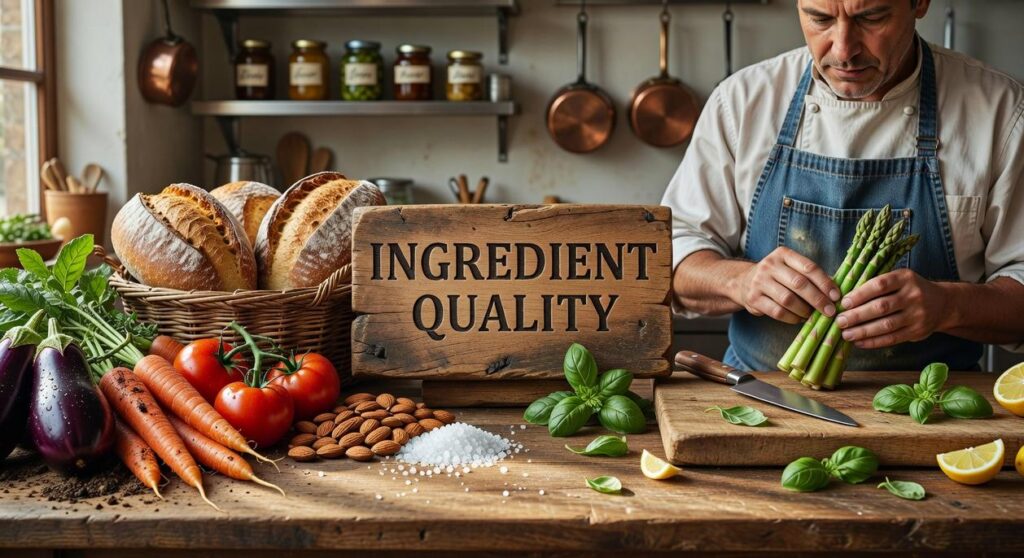
The Ingredient List: How to Spot Quality and Red Flags

First things first: pet food ingredients are listed by pre-cooking weight, in descending order. This is known as the “Rule of Weight.” Here’s the catch—fresh chicken contains up to 70% water (USDA). After cooking, much of that moisture evaporates. So while “chicken” may appear first, a second ingredient like “chicken meal” (a rendered, concentrated protein source) can actually deliver more usable protein. It’s a bit like judging a sponge by its size before you squeeze it.
Identifying Quality Protein Sources
Not all proteins are created equal.
- Chicken: Whole meat with natural moisture.
- Chicken meal: Dried and rendered chicken, higher in protein concentration.
- Chicken by-product meal: Includes organ meats and sometimes less desirable parts.
Some argue by-products are inherently bad. That’s not entirely fair—organ meats can be nutrient-dense. However, vague terms like “meat meal” (without a named animal source) are red flags. Specificity signals transparency.
Carbohydrates and Fillers
Carbs provide energy and structure to kibble. Ingredients like sweet potatoes, peas, and brown rice can be valuable sources of fiber and nutrients. On the other hand, corn, wheat, and soy are often labeled as “fillers.” To be fair, corn isn’t automatically harmful; studies show it can be digestible for many dogs (Tufts University). Still, these ingredients are common allergens for some pets.
If your dog has itchy skin or digestive issues, this is where understanding pet food labels becomes essential.
Vitamins, Minerals, and Preservatives
Toward the end of the list, you’ll see long names like zinc sulfate or vitamin E supplement. These are added to meet AAFCO nutritional standards. Natural preservatives such as tocopherols (vitamin E) are generally preferred over artificial ones like BHA or BHT, which have raised safety concerns in some animal studies (National Toxicology Program).
So what’s next? Once you decode ingredients, you may wonder how they compare to fresh diets. Explore the differences in homemade vs commercial pet food pros and cons before making changes.
Pro tip: Always match ingredients to your pet’s age, breed, and health needs.
Beyond Ingredients: AAFCO Statements and Feeding Guidelines
When you flip over a pet food bag, you’ll often see AAFCO mentioned. The Association of American Feed Control Officials (AAFCO) sets nutritional standards for pet foods in the U.S. Important distinction: AAFCO does not approve, test, or certify brands. It simply defines nutrient profiles companies must meet.
The Nutritional Adequacy Statement
This is the most important line on the package. Look for phrases like “complete and balanced,” which means the food contains all essential nutrients in the correct ratios. It will also specify a life stage: growth (puppies/kittens), maintenance (adults), or all life stages. If you have a large-breed puppy, double-check it’s formulated for that category (size matters here—literally).
Always read this statement before checking marketing claims.
Feeding Trials vs. Formulation
A label may say the food is “formulated to meet” AAFCO standards. That means it meets nutrient targets on paper. Foods that have passed AAFCO “feeding trials” were actually fed to animals under controlled conditions. Feeding trials are considered a higher standard because they test real-world performance.
Using the Feeding Guidelines
The chart on the bag? It’s a starting point, not a rulebook. Step 1: Find your pet’s weight range. Step 2: Adjust for activity level (a couch-loving cat needs less than a marathon-ready Border Collie). Step 3: Monitor body condition—ribs should be felt, not seen. Pro tip: Reassess portions every few months. That’s the heart of understanding pet food labels.
I remember standing in the pet store aisle, squinting at a bag covered in buzzwords like “premium” and “natural,” realizing I had no idea what I was actually feeding my dog. The real challenge wasn’t caring—it was decoding the label. Pet food packaging can feel like a marketing maze (and our pets deserve better than guesswork).
Now, however, you know how to move past the flashy claims. You can interpret the guaranteed analysis on a dry matter basis, which simply means comparing nutrients after removing water weight for accuracy. You can spot quality ingredients by looking for named protein sources instead of vague terms like “meat meal.” And you understand AAFCO life stage statements—guidelines that confirm whether a food meets nutritional standards for growth, maintenance, or all life stages.
In other words, understanding pet food labels puts you back in control.
So next time you shop, start with the bag at home. Turn it over. Read it closely. This time, you’ll know exactly what to look for.
Give Your Pet the Nutrition They Truly Deserve
You came here because you want clarity about what’s really in your pet’s bowl — and now you have it. With a stronger grasp of ingredients, guaranteed analysis, and understanding pet food labels, you’re no longer guessing. You’re making informed choices that directly impact your pet’s energy, digestion, coat health, and long-term wellness.
Poor nutrition leads to preventable issues — from itchy skin and upset stomachs to low vitality and behavioral changes. The good news? You now know how to spot fillers, identify quality protein sources, and choose formulas that truly support your pet’s needs.
Don’t stop here. Take a few minutes today to review your current pet food using what you’ve learned. If something doesn’t measure up, make the switch to a formula that prioritizes real nutrition and transparency. Thousands of pet owners are already upgrading their pet care routines with smarter nutrition choices and proven wellness strategies.
Your pet depends on you to get this right. Start reading labels with confidence, choose better ingredients, and give them the healthier, happier life they deserve — beginning with their very next meal.