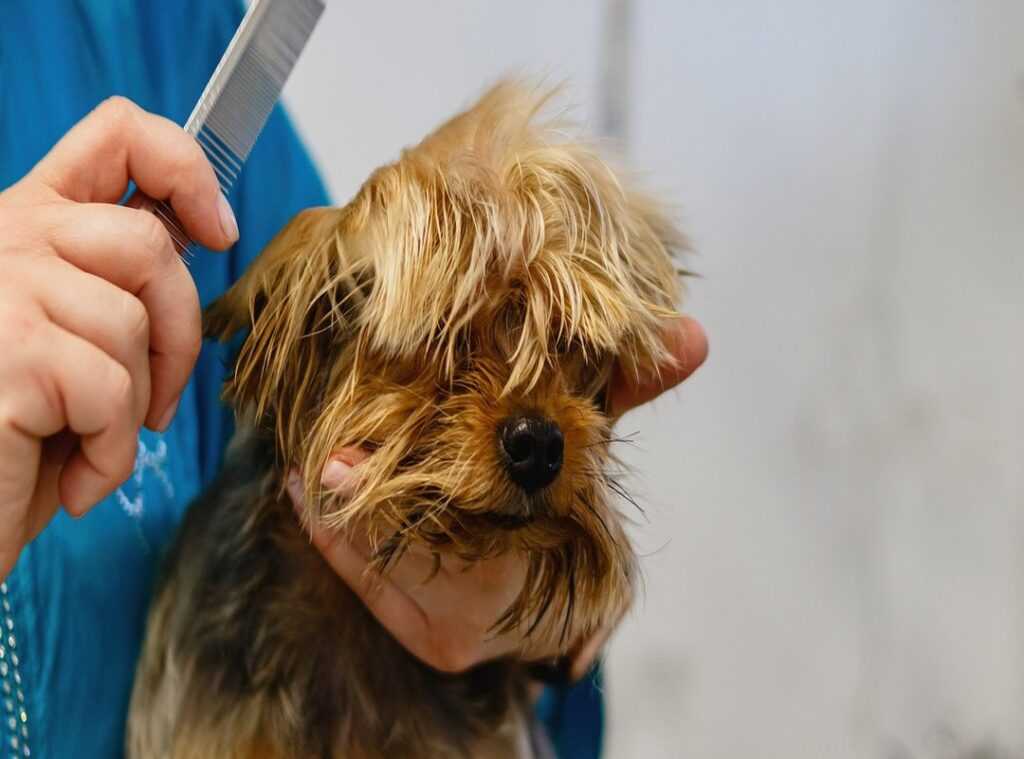

Veev Maut is a term that might sound unfamiliar to many pet owners. It’s important, though, and I’m here to help you understand it. Let’s get straight to the point.
This article will cover what veev maut is, its causes, symptoms, and how to manage it. You might be wondering why this matters. Well, knowing about veev maut can make a big difference in your pet’s health.
Trust me, by the end of this, you’ll have a clear idea of what to do. So, let’s dive in.
What is VEEV Maut?
Definition
VEEV Maut isn’t a common term, and it’s easy to get confused. It’s actually a specific type of pest that can affect both pets and their environments. It’s not a brand or a product—it’s a tiny, often overlooked critter.
Common Misconceptions
Many people think VEEV Maut is some kind of new pet food or a fancy grooming tool. Nope. It’s a small, irritating insect that can cause discomfort to your pets.
Some even confuse it with other pests like fleas or mites, but it’s distinct in its behavior and the problems it causes.
Relevance to Pet Care
Why should you care? Well, VEEV Maut can make your pet’s life miserable. These little pests can cause skin irritation, itching, and even more serious health issues if left unchecked.
- Inspect Regularly: Check your pet and their environment for signs of VEEV Maut.
- Clean Thoroughly: Keep your pet’s living area clean and free from clutter where these pests can hide.
- Consult a Vet: If you suspect an infestation, talk to your vet about the best treatment options.
Stay vigilant and proactive, and your pet will thank you.
Causes and Symptoms of VEEV Maut
Let’s get straight to it. VEEV Maut is a condition that can confuse and worry pet owners. Understanding its causes and symptoms is key.
Causes
First, the causes, and environmental factors play a big role. Things like exposure to certain chemicals or allergens can trigger it.
Genetic factors also matter. Some breeds are more prone to it than others.
Symptoms
Now, the symptoms, and here’s what you should look out for:
- Frequent scratching and itching. This is often the first sign.
- Red, irritated skin. Check for any unusual rashes or sores.
- Excessive licking. Your pet might focus on one area, leading to hair loss.
- Behavioral changes. Irritability or lethargy can be a clue.
Examples
Real-life examples can help, and take my friend’s dog, for instance. She noticed her dog was constantly scratching and had red, irritated patches on its skin.
A vet visit confirmed it was VEEV Maut. With proper treatment, the dog was back to normal in no time.
Another case: a cat that started excessively licking its paws. The owner thought it was just a phase, but the vet found it was due to an allergic reaction, a common cause of VEEV Maut.
By keeping an eye out for these signs, you can catch VEEV Maut early and get your pet the care they need.
How to Diagnose VEEV Maut
When it comes to diagnosing VEEV Maut, you’ve got a couple of options. But let’s be real, the best way is to consult a veterinarian.
They have the expertise and tools to give you a proper diagnosis. No one wants to play guesswork with their pet’s health.
Now, let’s talk about diagnostic tests. There are a few common ones used for VEEV Maut. Blood tests, for example, can help identify specific markers or antibodies.
Imaging tests like X-rays or ultrasounds might also be useful. They can show any internal issues that might not be visible otherwise. Feduspray
So, which one should you go for, and it depends. A vet will usually start with blood tests because they’re less invasive and can provide a lot of information quickly.
But if the blood tests don’t give a clear picture, imaging tests might be the next step. Better safe than sorry, right?
In the end, it’s all about getting the most accurate diagnosis. That way, you can start the right treatment as soon as possible.
Prevention and Management of VEEV Maut
I remember when my dog, Max, got sick a few years back. It was a tough time. I wish I had known more about preventive measures then.
Keep your pet’s environment clean, and regularly wash their bedding and toys. This can help reduce the risk of VEEV Maut and other infections.
Vaccination is key. Make sure to stay on top of your pet’s vaccination schedule. It’s one of the best ways to prevent serious diseases.
If your pet does get VEEV Maut, don’t panic. Stay calm and act quickly.
Isolate your pet, and this prevents the spread to other animals. It also helps them rest and recover faster.
Follow your vet’s advice. They might prescribe medication or suggest specific treatments. Stick to the plan and monitor your pet closely.
Hydration is crucial. Ensure your pet has plenty of fresh water. Dehydration can make things worse.
Provide a comfortable space. A quiet, cozy spot can do wonders for their recovery.
Stay in touch with your vet, and regular updates and check-ins are important. They can adjust the treatment if needed.
Taking these steps can make a big difference. Trust me, I’ve been there.
Frequently Asked Questions (FAQs) About VEEV Maut
Q1: Can VEEV Maut be transmitted to humans?
No, VEEV Maut is specific to animals and can’t be transmitted to humans.
Q2: How often should I vaccinate my pet against VEEV Maut?
It’s best to consult your local vet for a tailored vaccination schedule. They’ll consider factors like your pet’s age, health, and the prevalence of VEEV Maut in Nutley, New Jersey.
Q3: Are there any natural remedies for VEEV Maut?
While some pet owners swear by natural remedies, it’s crucial to stick with vet-approved treatments. Natural options might not be effective and could delay proper care.
Q4: What should I do if I suspect my pet has VEEV Maut?
If you think your pet might have VEEV Maut, take them to the vet as soon as possible. Early detection and treatment can make a big difference.
Staying Informed and Prepared
Veev Maut is a condition that affects pets, characterized by specific symptoms and underlying causes. Understanding its definition, causes, and symptoms is crucial for effective management. Keeping your pet healthy involves staying informed about such conditions.
Regular consultations with a veterinarian can provide tailored advice and treatments. Always stay updated on the latest pet care information to ensure your pet’s well-being.

 Bradfords Austinicolo writes the kind of pet care updates content that people actually send to each other. Not because it's flashy or controversial, but because it's the sort of thing where you read it and immediately think of three people who need to see it. Bradfords has a talent for identifying the questions that a lot of people have but haven't quite figured out how to articulate yet — and then answering them properly.
They covers a lot of ground: Pet Care Updates, Pet Nutrition and Grooming Tips, Behavior Correction Techniques, and plenty of adjacent territory that doesn't always get treated with the same seriousness. The consistency across all of it is a certain kind of respect for the reader. Bradfords doesn't assume people are stupid, and they doesn't assume they know everything either. They writes for someone who is genuinely trying to figure something out — because that's usually who's actually reading. That assumption shapes everything from how they structures an explanation to how much background they includes before getting to the point.
Beyond the practical stuff, there's something in Bradfords's writing that reflects a real investment in the subject — not performed enthusiasm, but the kind of sustained interest that produces insight over time. They has been paying attention to pet care updates long enough that they notices things a more casual observer would miss. That depth shows up in the work in ways that are hard to fake.
Bradfords Austinicolo writes the kind of pet care updates content that people actually send to each other. Not because it's flashy or controversial, but because it's the sort of thing where you read it and immediately think of three people who need to see it. Bradfords has a talent for identifying the questions that a lot of people have but haven't quite figured out how to articulate yet — and then answering them properly.
They covers a lot of ground: Pet Care Updates, Pet Nutrition and Grooming Tips, Behavior Correction Techniques, and plenty of adjacent territory that doesn't always get treated with the same seriousness. The consistency across all of it is a certain kind of respect for the reader. Bradfords doesn't assume people are stupid, and they doesn't assume they know everything either. They writes for someone who is genuinely trying to figure something out — because that's usually who's actually reading. That assumption shapes everything from how they structures an explanation to how much background they includes before getting to the point.
Beyond the practical stuff, there's something in Bradfords's writing that reflects a real investment in the subject — not performed enthusiasm, but the kind of sustained interest that produces insight over time. They has been paying attention to pet care updates long enough that they notices things a more casual observer would miss. That depth shows up in the work in ways that are hard to fake.