
If you’re searching for clear, practical guidance on improving your pet’s behavior, health, and overall well-being, you’re in the right place. Pet owners today face an overload of conflicting advice on nutrition, grooming routines, training methods, and behavior correction techniques. This article cuts through that noise by focusing on what actually works—evidence-based wellness tips, smart feeding practices, effective grooming habits, and humane training strategies, including the responsible use of spray deterrents for pets when appropriate.
We’ve reviewed current veterinary recommendations, consulted certified trainers, and analyzed the latest insights in animal behavior to ensure the information you’re about to read is accurate and actionable. Whether you’re managing excessive barking, destructive chewing, or simply looking to upgrade your pet’s daily care routine, this guide is designed to help you make informed, confident decisions that support a happier, healthier companion.
Pet parents today want advice that feels less like a lecture and more like a scene from a feel-good movie where the dog finally listens. Think Marley & Me, but with better training outcomes. Animal wellness means balancing nutrition, grooming, and behavior correction so your home does not turn into a viral chaos meme. Tools like spray-based training aids can reinforce boundaries; many owners use spray deterrents for pets to interrupt jumping or scratching safely.
• CONSISTENCY IS KEY
• Reward calm behavior
Pair that with clear cues and high-quality diets, and you get a calmer, healthier companion at home.
Training a pet isn’t just about commands; it’s about shaping an environment that feels calm, safe, and consistent. When your dog starts barking at the faintest hallway echo, the sharp, metallic sound can rattle your nerves. Meanwhile, your cat’s scratched sofa smells faintly of torn fabric and frustration. In moments like these, guidance matters.
For example, behavior correction works best when you notice the small cues: the twitch of a tail, the stiff posture, the low growl vibrating in a chest. Then, respond immediately and calmly. Use spray deterrents for pets as part of a broader training plan, pairing the quick hiss of mist with a firm verbal cue. The brief sound startles without harm, like a sudden clap in a quiet room.
However, some argue sprays feel unnatural or harsh. That concern is understandable. Yet, when used responsibly and sparingly, they interrupt unwanted actions while you reinforce positive behavior with treats that smell savory and taste rewarding. Ultimately, consistency creates a home that sounds peaceful again, where paws pad softly across floors and everyone can finally exhale. Over time, patience turns chaos into rhythm, and that steady rhythm feels as comforting as rain tapping gently against windows at dusk indoors.
Rethinking Spray Collars for Behavior Management
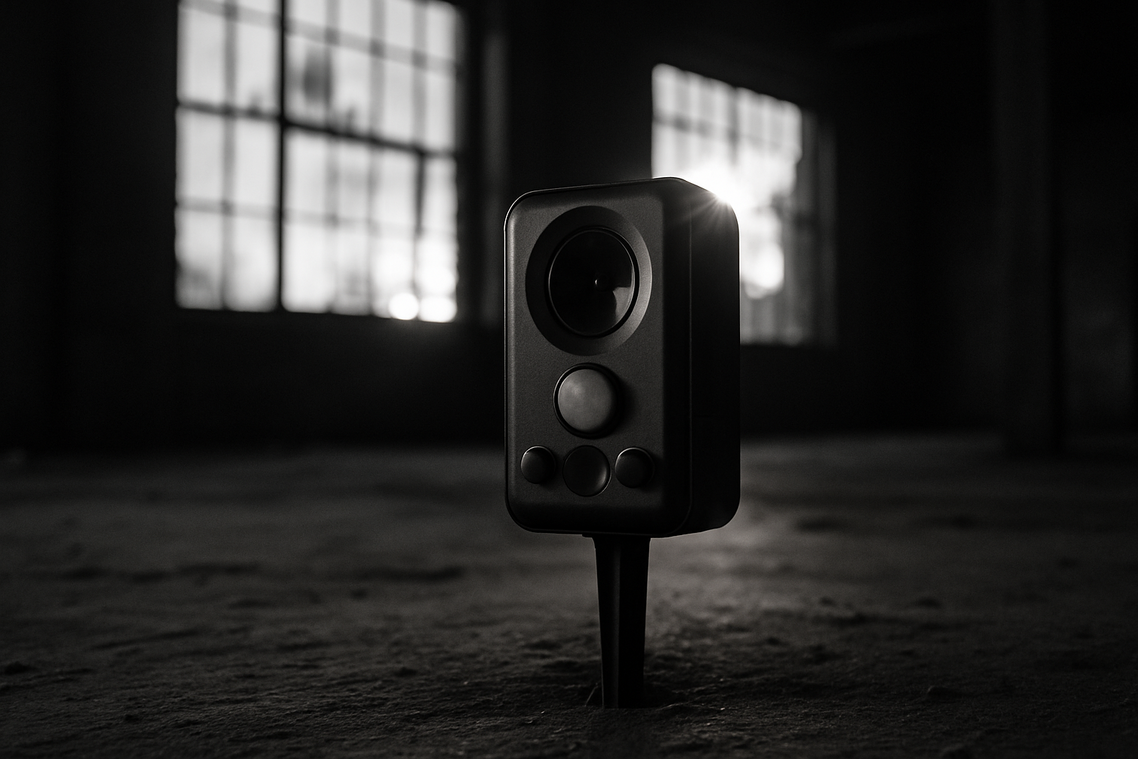
Spray collars are often marketed as a humane alternative to shock collars. They release a burst of citronella or unscented mist to interrupt unwanted behavior. The idea is simple: surprise, not pain. But whether that surprise is helpful—or stressful—remains debated.
If you’re weighing the pros and cons of spray collars for behavior management, it’s worth admitting something upfront: the research is mixed. Some trainers report reduced barking within days. Others argue the improvement is short‑lived or rooted in fear rather than learning (American Veterinary Society of Animal Behavior, 2021).
Supporters say spray deterrents for pets are safer than static correction. They point out there’s no electric stimulation, and many dogs respond quickly. Critics counter that sensitivity varies. A timid dog may become anxious, while a stubborn one might simply ignore the mist (yes, some dogs truly do not care).
• Potential benefit: Immediate interruption can break repetitive barking cycles.
• Potential drawback: It may not address the underlying cause—like boredom or separation anxiety.
I’ll be honest: we don’t have definitive, one‑size‑fits‑all answers. Behavior is complex. What works for a neighbor’s terrier might fail spectacularly with your shepherd. Training consistency, timing, and positive reinforcement still matter most (ASPCA, 2023).
Some argue collars are a shortcut. And sometimes, they are. But in specific cases—paired with reward‑based training—they can be a transitional tool.
Pro tip: Before using any collar, rule out medical issues and track triggers for a week. Patterns often reveal simpler solutions (turns out, boredom is a powerful motivator).
The real question isn’t “Does it work?” It’s “Is it right for this dog?”
Pet behavior advice online often stops at the obvious: consistency, patience, positive reinforcement. All true. But what’s missing is a deeper look at how environment, sensory triggers, and product design intersect. That’s where a smarter approach to spray-based training stands apart.
First, define the basics. A spray deterrent is a non-harmful burst—usually air or a mild scent—designed to interrupt unwanted behavior in real time. Timing matters more than intensity (think of it as a tap on the shoulder, not a jump scare in a horror movie). Used correctly, it redirects attention without creating fear.
Critics argue that any aversive tool, even a gentle spray, risks damaging trust. They prefer treats-only training. And yes, overuse or poor timing can confuse pets. But research on interrupt-and-redirect methods shows that brief, consistent feedback paired with positive reinforcement can speed learning when applied responsibly (American Veterinary Society of Animal Behavior).
The gap most competitors ignore? Context layering. A spray alone won’t fix scratching if the cat lacks enrichment. It won’t stop barking if the dog is under-exercised. Pair Use spray deterrents for pets with environmental upgrades—scratch posts near problem areas, puzzle feeders before high-energy windows—and results improve dramatically.
Precision timing and humane formulation are non-negotiable. Look for adjustable nozzles, unscented options, and clear ingredient transparency.
Pro tip: log each correction for a week. Patterns emerge fast (usually around doorbells or dinner prep).
Training isn’t about domination. It’s about communication—clear, immediate, and fair. Done right, trust grows alongside better household harmony. For pets and people.
Training pets can feel like negotiating with a tiny, furry lawyer. The good news? A little strategy goes a long way. Consistency is king (and yes, your cat knows it).
- Set clear rules. If the couch is off-limits today, it’s off-limits tomorrow.
- Reward good behavior fast—pets live in the now, not last Tuesday.
- Use spray deterrents for pets when you need a safe, immediate boundary cue.
Some argue pets “grow out of it.” Sometimes. But usually they grow into it—with confidence. Keep sessions short, upbeat, and repeat often. Think less drill sergeant, more game show host energy.
Choosing the Right Behavior Tool
When correcting unwanted pet behavior, you typically face two options: reward-based training or spray deterrents for pets. Reward-based training—meaning you reinforce desired actions with treats or praise—builds long-term habits. In contrast, spray tools interrupt behavior in the moment with a harmless burst of scent or air. According to the American Veterinary Society of Animal Behavior, positive reinforcement supports lasting results. However, some owners argue sprays work faster. That’s fair. Yet speed isn’t always sustainability. Think carrots versus alarms: one teaches, the other startles. Ideally, combine both strategically (timing is everything). Balance matters more than speed.
Helping Your Pet Thrive with the Right Training Approach
You came here looking for clear, practical guidance on improving your pet’s behavior and overall well-being — and now you have a roadmap to do exactly that. From understanding the root causes of unwanted habits to using spray deterrents for pets effectively and responsibly, you’re better equipped to create a calmer, happier home.
Behavior issues can be frustrating, exhausting, and even overwhelming. Whether it’s excessive barking, destructive chewing, or boundary testing, those daily challenges take a toll. The good news? With the right techniques, consistency, and tools, positive change is absolutely within reach.
Now it’s time to take action. Start applying these strategies today and choose proven solutions designed to correct behavior safely and humanely. When you use trusted, top-rated training tools and follow expert-backed methods, you give your pet the structure they need to succeed.
Don’t let problem behaviors continue to disrupt your home. Take the next step now — explore reliable training resources, implement the techniques you’ve learned, and commit to consistent practice. A well-behaved, confident pet is closer than you think.