
Bringing a new dog home is thrilling, right? But let’s be honest, it’s also a bit overwhelming. You want a happy, obedient dog, but the sheer amount of training advice out there is like trying to drink water from a firehose.
I get it. You don’t need more confusing advice. You need a clear path.
That’s why this article is your practical obedience training guide. We’ve helped thousands of pet owners create incredible bonds with their dogs using simple, positive methods.
By the end of this guide, you’ll have a solid plan to train your dog effectively. Ready to get started?
Before the Tricks: Understanding Your Dog’s Brain
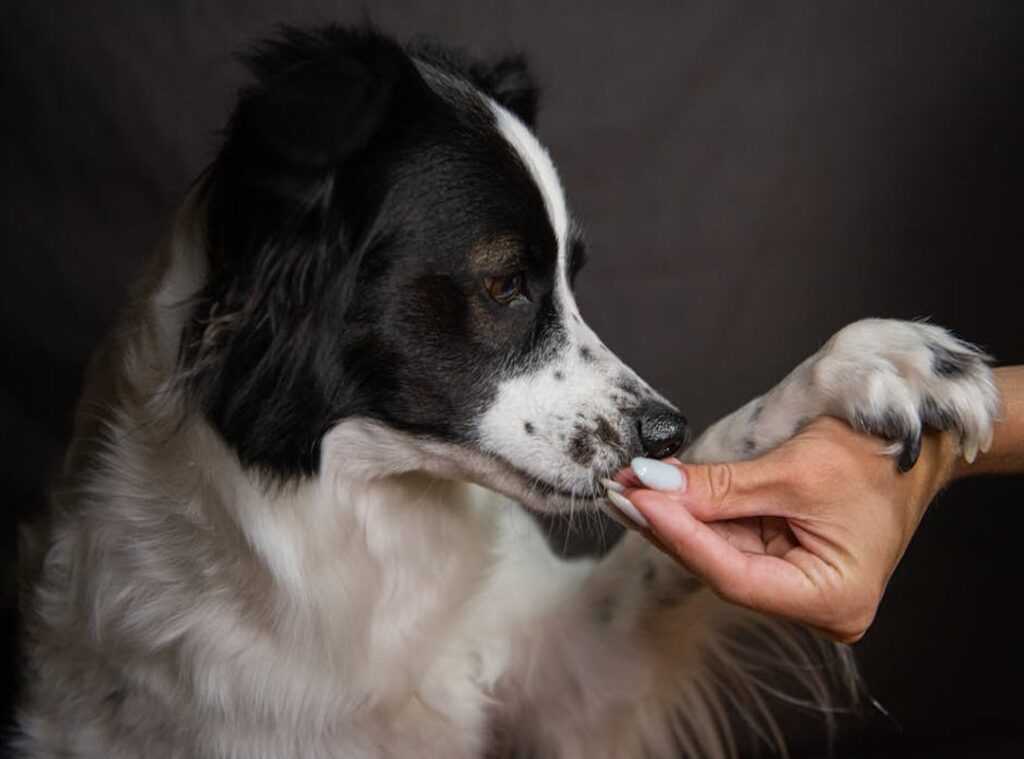
Ever thought about how your dog thinks? It’s not magic, but it can feel like it. When you use positive reinforcement, it’s like paying your dog for a job well done.
Imagine you’re the boss, and every time your pup aces a task, they get a treat or a belly rub. It’s simple, right? And way better than old-school punishment, which is just outdated.
Modern training is all about communication, not domination. You wouldn’t want a boss who yells at you for every mistake, would you? Dogs are the same.
They thrive on clear signals. the “Marker Word” comes in. By saying “Yes!” the exact moment your dog nails something, you’re giving instant feedback. It’s like sending a thumbs-up emoji in real life.
Consistency is key. If everyone in your house is on the same page with rules and cues, your dog will learn faster. It’s like having a universal language.
Ever tried learning a new language with everyone speaking differently? Yeah, not fun.
Keep training sessions short and sweet. Five to ten minutes is perfect. Keeps your dog engaged and stops them from getting frustrated.
Think of it like a quick workout rather than a marathon. Dogs have short attention spans (kind of like scrolling through TikTok).
Curious about more effective techniques for your anxious pets? Check out effective techniques anxious pets. You’ll find tips that help beyond basic obedience training.
Remember, training is as much about you as it is about them. Make it fun. Make it rewarding.
That’s the real secret sauce of any good obedience training guide.
The Core Five: Building Your Dog’s Basic Obedience
Ever wonder why some dogs seem like they came pre-programmed with manners? It all comes down to five key commands. Let’s break them down.
Sit is practically the bread and butter of any obedience routine. Start with a treat in hand. Move it from your dog’s nose to above their head. As they look up, their butt naturally hits the floor. Boom. They’ve sat. This command is super handy for things like waiting for their dinner (trust me, no one wants a dog that jumps all over people).
Teaching Stay means patience will be your best friend. Begin with short distances and keep the time brief. Use a release word like “Okay!” to end the stay.
Without it, they may decide on their own when training is done, and that’s not obedience.
For Down, lure them from a sit with a treat towards the ground. Once those elbows hit, praise them like they just won an award. Down calms an overexcited pup faster than you can say “chill.”
Leave It might just save your dog’s life. It’s not just about leaving food alone. This command starts with something low-value. Once they look away, reward them big time. They’ll learn that listening pays off.
Finally, Look at Me (Focus) is key in chaotic settings. Use a treat held by your face to gain their attention. When they lock eyes, they’re tuned into you (not chasing squirrels).
These commands aren’t just for show. They create a harmonious life for you and your pup. If you’re looking for a detailed obedience training guide, there’s a wealth of information out there to get these basics down.
Pro tip: Keep training sessions short but frequent. Consistency is everything.
Lifesaving Recalls: Your Dog’s Safety Net
The most key command you’ll ever teach your dog? It’s “Come!” A reliable recall can save your dog’s life. Think about it: your dog dashes towards the street, and all it takes is one word to bring them back.

That’s power. But let’s get real (this) isn’t just barking orders. It’s about creating an unbreakable bond.
Here’s how you do it. Start with the Golden Rule of Recall: never call them for something they hate. Baths and nail trims?
Skip calling for those. You want them associating “Come!” with all things good.
Make training a game. Begin indoors where distractions are minimal. Use high-value treats (think chicken or cheese) to make coming to you irresistible.
Once you nail it inside, move to a secure backyard. Your dog should be 99% reliable there before trying anywhere else.
Don’t rush to that open park just yet. Until they’re rock-solid, you risk a disaster. This is where understanding positive reinforcement pet training becomes key.
In this obedience training guide, consistency is key. You’ll see results. And trust me, nothing beats the peace of knowing your dog will come running when it matters most.
Troubleshooting 101: A Guide to Common Behavior Challenges
Owning a puppy is like having a tiny, furry tornado in your life. They’re cute, sure, but they come with plenty of challenges. Let’s tackle some of the big pain points for new owners, starting with potty training.
This isn’t rocket science, but it does require commitment. Stick to a strict schedule. Take your pup out after they wake, eat, or play.
Imagine it as their little routine. Crate training helps, too. Think of the crate as their bedroom, not a jail cell.
Now, those teeth. Puppies nip and bite, and no, they’re not out to get you. It’s natural for them.
The trick? Redirect their attention. When they bite, yelp like you stepped on a Lego and immediately offer a chew toy.
Seems silly, but it works. They learn fast what’s okay to chew on and what’s not (like) your fingers.
Destructive chewing can turn your home into chaos. Picture your shoes as the main course in a puppy buffet. Not fun, right?
You can even spritz safe, humane deterrents on furniture to keep them uninterested. Or use redirection tools. The whole “out of sight, out of mind” approach applies to chewable mischief.
Puppy-proofing your house is a must. Get rid of tempting hazards. Make chew toys thrilling.
For more ideas, check out an obedience training guide. These guides offer practical solutions and are a lifeline when you’re pulling your hair out. Puppies are a handful, but with the right approach, they become part of the family in no time.
Ready, Set, Train!
Training your dog isn’t just about commands. It’s about building a connection. Trust me, I know it can feel overwhelming at first.
You have this obedience training guide in your hands, and that’s your key. The confusion of not knowing where to start? That’s behind you now.
This guide is all about positive communication and understanding, which will transform your relationship with your dog.
So, what’s the first step? Simple: grab one command from the manual. Let’s say “Sit.” Spend just five minutes today practicing it.
You’ll find that this small step is going to snowball into something bigger. Picture a well-behaved, happy companion. That’s not a dream.
It’s your reality waiting to unfold.
Your journey starts now. Don’t let the confusion hold you back any longer. Get started today and see the difference.
You’ll be amazed at how quickly you can build momentum.

 Bradfords Austinicolo writes the kind of pet care updates content that people actually send to each other. Not because it's flashy or controversial, but because it's the sort of thing where you read it and immediately think of three people who need to see it. Bradfords has a talent for identifying the questions that a lot of people have but haven't quite figured out how to articulate yet — and then answering them properly.
They covers a lot of ground: Pet Care Updates, Pet Nutrition and Grooming Tips, Behavior Correction Techniques, and plenty of adjacent territory that doesn't always get treated with the same seriousness. The consistency across all of it is a certain kind of respect for the reader. Bradfords doesn't assume people are stupid, and they doesn't assume they know everything either. They writes for someone who is genuinely trying to figure something out — because that's usually who's actually reading. That assumption shapes everything from how they structures an explanation to how much background they includes before getting to the point.
Beyond the practical stuff, there's something in Bradfords's writing that reflects a real investment in the subject — not performed enthusiasm, but the kind of sustained interest that produces insight over time. They has been paying attention to pet care updates long enough that they notices things a more casual observer would miss. That depth shows up in the work in ways that are hard to fake.
Bradfords Austinicolo writes the kind of pet care updates content that people actually send to each other. Not because it's flashy or controversial, but because it's the sort of thing where you read it and immediately think of three people who need to see it. Bradfords has a talent for identifying the questions that a lot of people have but haven't quite figured out how to articulate yet — and then answering them properly.
They covers a lot of ground: Pet Care Updates, Pet Nutrition and Grooming Tips, Behavior Correction Techniques, and plenty of adjacent territory that doesn't always get treated with the same seriousness. The consistency across all of it is a certain kind of respect for the reader. Bradfords doesn't assume people are stupid, and they doesn't assume they know everything either. They writes for someone who is genuinely trying to figure something out — because that's usually who's actually reading. That assumption shapes everything from how they structures an explanation to how much background they includes before getting to the point.
Beyond the practical stuff, there's something in Bradfords's writing that reflects a real investment in the subject — not performed enthusiasm, but the kind of sustained interest that produces insight over time. They has been paying attention to pet care updates long enough that they notices things a more casual observer would miss. That depth shows up in the work in ways that are hard to fake.