Ever felt that nagging frustration when your pet ignores your commands? You dream of a well-behaved companion but dread the thought of harsh methods. You’re not alone.
I was in the same boat until I discovered positive reinforcement training. It’s a game-changer.
Reward-based training offers an effective, compassionate solution. Imagine bonding with your pet without raising your voice. That’s what this article is all about.
I’ll guide you through understanding and implementing this method. Step by step.
We lean on modern animal behavior science and humane techniques. These aren’t just theories. They’re proven ways to strengthen your pet-owner bond.
So, if you’re ready to build a joyful partnership with your furry friend, you’ve come to the right place. and make it happen.
Reward-Based Training: More Than Just Treats
So, what is reward-based training, really? It’s all about positive reinforcement training. You know, giving your pup a treat or a toy when they sit on command.
Simple, right? But it’s more than just that. It’s teaching them what you want them to do.
Not just what you don’t want.
Here’s a thought: imagine a kid working hard in class and getting a gold star for doing their homework. That’s your dog with reward-based training. They get the “gold star” (a treat, a squeaky toy, or even just praise) for good behavior.
You’re building habits. Encouraging them with what makes them happy.
Now, don’t mix up rewards with bribes. It’s important. A reward is given after a behavior, reinforcing it.
A bribe? That’s a no-no. It’s what you use to lure a pet into doing something.
And we all know, bribing doesn’t teach long-term good behavior. So, timing is key here.
Some folks think you need to punish bad behavior to train effectively. But why focus on the negative? The trick is timing and consistency.
Be regular with your rewards, and soon your pet will replay those positive actions like a favorite episode of their favorite show.
Need more tips? Learn more from this guide. It’s packed with details if you’re diving deeper. But remember: patience and positivity lead the way.
Training isn’t just about getting your pet to obey. It’s about building trust and understanding. Isn’t that what we all want with our furry friends?
Keep it fun, keep it kind.
The Science of Success: Building Trust Through Rewards
When it comes to training pets, positive reinforcement training is the way to go. You might wonder why it’s so effective. Well, it’s all about operant conditioning: behaviors that get rewarded are more likely to be repeated.
Imagine getting a high-five every time you did something right. You’d keep doing it, right? Pets are no different.
Contrast this with punishment-based methods. They might seem like a shortcut, but they come with their own baggage. Fear and anxiety start creeping in, and that’s not what you want for your pet.
Fear can stunt learning and sour the relationship between you and your furry friend. It’s not just about getting the behavior you want; it’s about how you get it.
Why should you care? Because it builds confidence. Your pet becomes a little more self-assured each time they earn a reward.
Stress goes down, and learning becomes a game (not a chore). Isn’t that what we all want? A happy, confident pet who thinks training is playtime.
And the benefits for you? They’re huge. You get a pet that’s eager to please, always ready to participate.
Training sessions turn into bonding moments. You’ll feel the connection grow, and your pet will love every second of it.
If you’re curious about diving deeper into this method, check out positive reinforcement training. It’s a game-changer, trust me.
In the end, building trust and motivation through rewards isn’t just smart; it’s the kind of training that respects your pet’s emotions and strengthens your bond. Isn’t that what we’re all after?
Your Pet’s Positive Reinforcement: The 5-Step Guide
Step 1: Find Your Pet’s ‘Paycheck’. Not all rewards are equal. Some pets go wild for chicken or cheese, while others flip for a squeaky toy or a belly rub. You need to figure out what lights your pet up. It’s like finding their favorite song. Once you have this, you’re ready to start positive reinforcement training.

Step 2: Choose and ‘Charge’ a Marker. Ever heard of a clicker or a marker word? This is your magic wand. When your pet does something right, mark it with a ‘Yes!’ or a click. The reward follows immediately. This timing is key (yes, I said it). It tells your pet they nailed it.
Step 3: Keep Sessions Short and Sweet. Attention spans are short. Expecting your pet to focus for long periods? Not happening. Keep training sessions to 3-5 minutes. You want them eager, not exhausted.
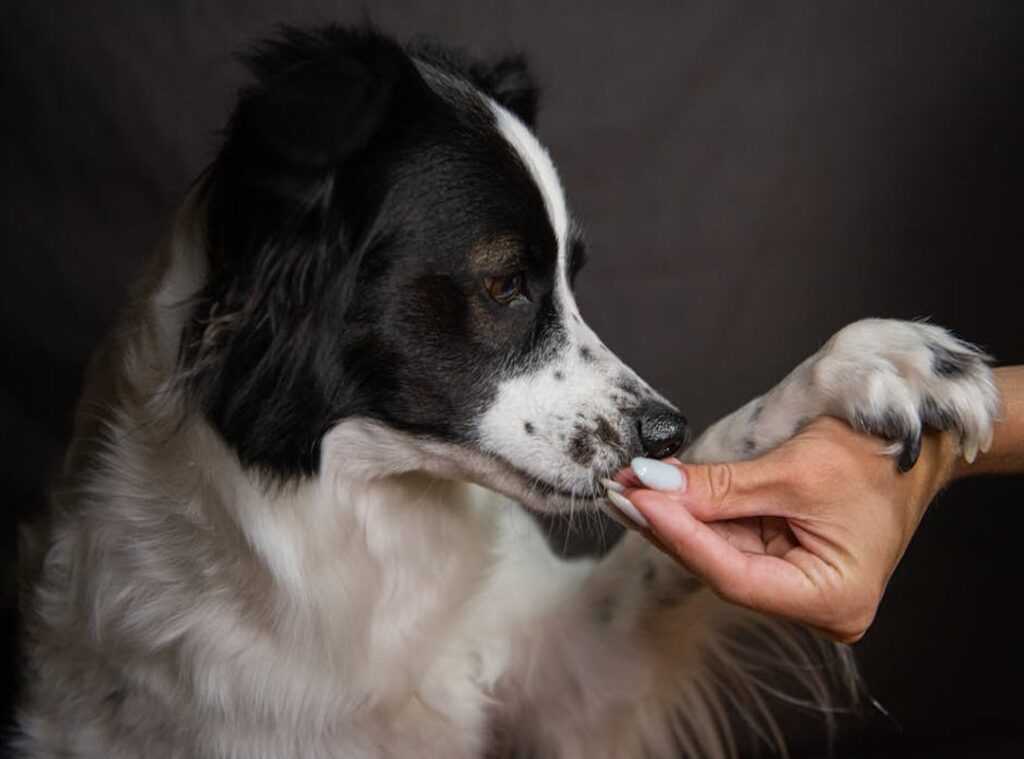
Step 4: Start with an Easy Win. Begin with a simple command like ‘Touch’. Want to break it down? Hold your hand out. When your pet touches it with their nose, mark and reward. Easy, right? They get it, and you get to see the light bulb moment.
Step 5: Fade the Lure and Generalize. At first, you might need to lure your pet with a treat to get the behavior. But don’t stay there. Gradually, shift to a verbal cue or hand signal. Practice this in different environments. Your living room isn’t the world. The park, with all its distractions, will test both of you.
Curious about tackling more challenging behaviors? Check out the Understanding Pet Aggression Solutions for deeper takeaways. It’s a game-changer.
Pro tip: Celebrate small victories. Every step forward deserves recognition. You and your pet are a team, after all.
Fixing Pet Listening Woes: Tips and Tricks
Ever find yourself thinking, “Why does my pet only listen when I have a treat?” It’s a common issue and frankly, quite annoying. Here’s what I’ve learned. Relying on treats all the time isn’t sustainable.
So, let’s talk about the life rewards technique. This involves rewarding good behavior with everyday actions. For example, make your pet sit before you put their leash on.
They’ll soon realize that obedience brings daily joys, not just edible delights.
What about a pet that’s easily distracted? Start training in a quiet, low-distraction environment. Once they get the hang of it, gradually introduce more challenging settings.
Trust me, the process takes time, but the payoff is worth it. How do you handle it when your pet does something wrong? Scolding isn’t helpful.
Instead, calmly ignore the incorrect behavior. Wait it out. Patience is your friend here.
Now, let’s talk about the “jackpot” reward system. When your pet nails a new skill or performs exceptionally well, give them a super special reward. It’s like winning the lottery for them and keeps motivation high.
Remember, positive reinforcement training is not just about treats; it’s about building a relationship.
Sometimes I’m not sure which plan is best until I try it. But that’s part of the journey with our furry buddies. It’s all about finding what clicks.
Build Trust, One Reward at a Time
You now have what you need to leave the frustration behind. Trust me, positive reinforcement training is the game-changer. It’s more than just commands.
It’s about creating moments where you and your pet connect and learn together. How do you start? Easy.
Choose one behavior. Find that treat your pet would do anything for and spend just five minutes training today. This isn’t just training.
It’s building a joyful partnership. Ready to embrace a happier bond? You’ve got this.
Give it a try and watch your relationship transform. Your pet (and) you. Deserve this.
Go create those joyful moments.

 There is a specific skill involved in explaining something clearly — one that is completely separate from actually knowing the subject. Alissa Hastingsellens has both. They has spent years working with spray-based training tools in a hands-on capacity, and an equal amount of time figuring out how to translate that experience into writing that people with different backgrounds can actually absorb and use.
Alissa tends to approach complex subjects — Spray-Based Training Tools, Pet Nutrition and Grooming Tips, Behavior Correction Techniques being good examples — by starting with what the reader already knows, then building outward from there rather than dropping them in the deep end. It sounds like a small thing. In practice it makes a significant difference in whether someone finishes the article or abandons it halfway through. They is also good at knowing when to stop — a surprisingly underrated skill. Some writers bury useful information under so many caveats and qualifications that the point disappears. Alissa knows where the point is and gets there without too many detours.
The practical effect of all this is that people who read Alissa's work tend to come away actually capable of doing something with it. Not just vaguely informed — actually capable. For a writer working in spray-based training tools, that is probably the best possible outcome, and it's the standard Alissa holds they's own work to.
There is a specific skill involved in explaining something clearly — one that is completely separate from actually knowing the subject. Alissa Hastingsellens has both. They has spent years working with spray-based training tools in a hands-on capacity, and an equal amount of time figuring out how to translate that experience into writing that people with different backgrounds can actually absorb and use.
Alissa tends to approach complex subjects — Spray-Based Training Tools, Pet Nutrition and Grooming Tips, Behavior Correction Techniques being good examples — by starting with what the reader already knows, then building outward from there rather than dropping them in the deep end. It sounds like a small thing. In practice it makes a significant difference in whether someone finishes the article or abandons it halfway through. They is also good at knowing when to stop — a surprisingly underrated skill. Some writers bury useful information under so many caveats and qualifications that the point disappears. Alissa knows where the point is and gets there without too many detours.
The practical effect of all this is that people who read Alissa's work tend to come away actually capable of doing something with it. Not just vaguely informed — actually capable. For a writer working in spray-based training tools, that is probably the best possible outcome, and it's the standard Alissa holds they's own work to.