
Every pet owner knows the drill: endless advice from friends, family, and that vast, unreliable universe called the internet. Most of it is well-meaning, sure, but let’s be honest (some) of it is downright outdated or just plain wrong. You’ve heard these “tips,” right?
They’re often common pet care myths that do more harm than good. That’s why I’m diving in. I’ve spent years with veterinary pros and animal behaviorists, and trust me, they know their stuff.
This guide will debunk those myths, providing you with evidence-based wisdom. Ready to give your pet the care they deserve, without the fiction?
Unpacking Pet Food Myths: Truths That Matter
Have you ever wondered if grain-free diets are truly the gold standard for your dog? This idea seems to have popped out of nowhere, gaining traction faster than a new TikTok trend. But here’s the kicker: there’s a potential link between grain-free diets and Dilated Cardiomyopathy (DCM) in dogs.
Freaky, right? Some experts even suggest that these diets might do more harm than good. Before you leap into the grain-free craze, maybe have a chat with your vet.
What’s the worst that could happen?
Now, let’s talk table scraps. We’ve all snuck a little food under the table to our furry friends. Who could resist those puppy eyes?
But did you know that fatty foods can lead to pancreatitis? Or that onions, garlic, and xylitol are toxic? Suddenly, that harmless treat doesn’t seem so harmless.
Instead, consider healthy treats, like carrots or blueberries. They’re safer, and your pet will love them.
And what’s up with the old myth that cats adore milk? Truth bomb: most adult cats are lactose intolerant. So, milk can leave them with an upset stomach.
Let’s put that advice to rest. Water, on the other hand, is key for their kidney health. Have you checked out Vaccination Updates For Pet Owners?
It’s a good read for anyone interested in keeping their pets healthy.
Decoding Behavior: The Truth About Training and Communication
Let’s start with Myth #1: “You can’t teach an old dog new tricks.” Honestly, that’s just nonsense. Ever heard of neuroplasticity? Animals, like humans, have brains that can adapt.
Positive reinforcement works wonders no matter the age. I had this grumpy old Labrador once (real stubborn guy). He learned to shake paws because he knew treats were coming.
On to Myth #2: “Punishing a pet after they’ve misbehaved teaches them a lesson.” Nope. Here’s the deal. Pets don’t have the ability to link a delayed punishment with what they did earlier.
It’s like getting scolded for something you don’t remember doing (confusing,) right? Punishment only leads to fear and anxiety. Instead, focus on management and immediate redirection.
If you catch them in the act, redirect them right away.
Finally, Myth #3: “A wagging tail always means a happy dog.” This one trips folks up. Canine body language is more complex than that. A friendly wag is loose and involves the whole body.
But a high, stiff, fast wag? That’s not joy. It’s agitation or arousal.
Dogs tell stories with their bodies. We’ve got to learn to read them.
These are just a few common pet care myths that people still believe. Understanding these can make your relationship with your pet so much better. Got questions?
Dive into some pet care resources and see how quickly your perspective changes.
Pet Care Myths: Busting the BS
Let’s talk about common pet care myths. First up: “A wet, cold nose is the only sign of a healthy dog.” That’s nonsense. A dog’s nose can be warm and dry for many harmless reasons.
Like after a good nap. Focus on more reliable indicators (energy levels, appetite, and bathroom habits). Isn’t that what really matters?
Next, the myth that indoor-only pets don’t need flea, tick, or heartworm prevention. I hear this one way too often. Parasites can hitch a ride on your clothes or sneak in through an open window.
Year-round prevention is non-negotiable. You don’t want your home turned into a parasite party, right?
Lastly, the idea that you only need to visit the vet when your pet is visibly sick. Wrong. Annual wellness exams are key.
They catch diseases early, check dental health, and keep vaccinations current. Regular check-ups save money and avoid hardship in the long run. Who doesn’t want that?
Pro tip: Keep up with the latest gadgets easy pet maintenance for a hassle-free pet care routine. It’s worth it. Let’s stop believing these myths and start focusing on what really keeps our furry friends healthy.
After all, they deserve the best care we can give them.
Grooming Goofs: Common Missteps in Pet Hygiene
Let’s talk about that myth where folks think shaving a double-coated dog is a good idea in summer. It’s not. The undercoat acts as insulation, keeping them cool and warm when needed.

Shaving? It strips away that natural protection, leaving them vulnerable to sunburn and even heatstroke. You wouldn’t wear a winter coat in July, but your dog’s fur isn’t just for warmth.
It’s important insulation.
Now, about cats. People say they’re self-cleaning, but that’s not the whole story. Sure, many are, but consider long-haired breeds, senior cats, or those on the chunky side.
They can’t always reach every spot. And if they roll in something toxic? A bath is necessary.
Make it quick and calm, though. No one needs a feline meltdown.
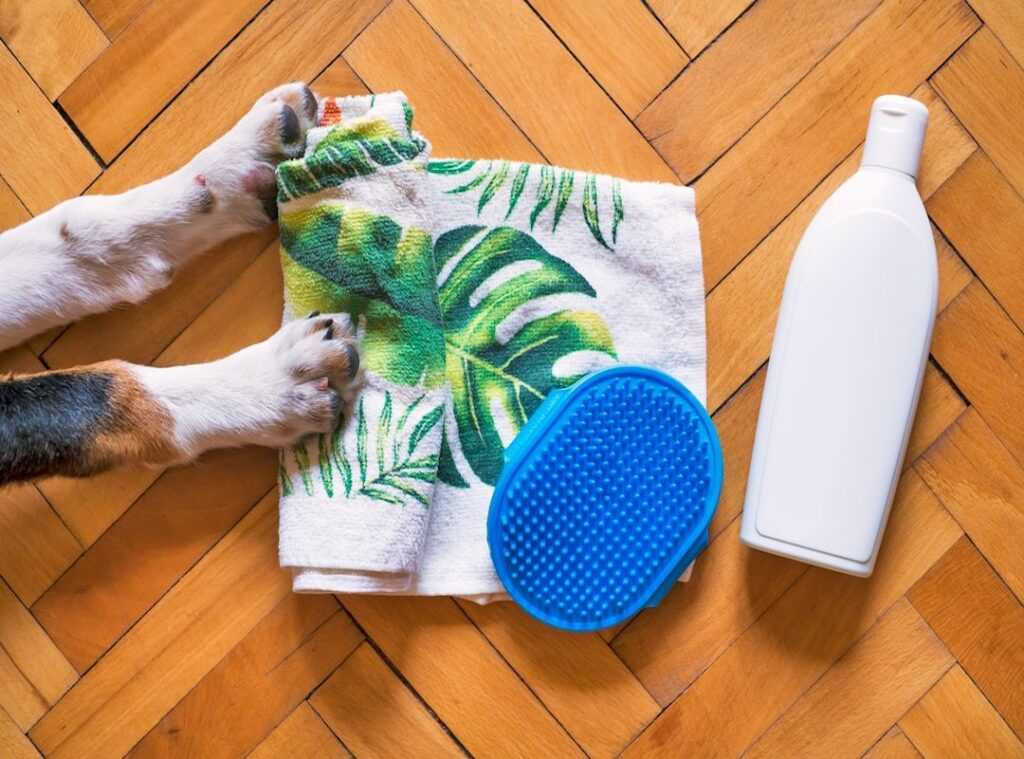
Then there’s the myth that human shampoo works on dogs. It doesn’t. Human skin has a different pH level.
Using the wrong shampoo can mess up your dog’s skin, strip natural oils, and cause irritation. Stick to products made for dogs. They exist for a reason.
If you’re curious for more myth-busting, check out this overview. It’s a treasure trove of common pet care myths. And there you have it.
Keep those pets happy and healthy, folks.
Socialization and Lifestyle: Debunking Pet Myths
Ever heard the saying, “All dogs need to go to the dog park to be socialized”? It’s a common myth in the pet world. I’ve seen dogs get overwhelmed or even stressed out in these chaotic environments.
Not all dogs enjoy the chaos of a pack. Proper socialization isn’t about throwing your dog into a free-for-all. It’s more about building positive associations with new experiences.
Another myth floating around is that getting a second pet will magically fix your first pet’s behavioral issues. Spoiler: It won’t. Trust me, you might just end up with double the trouble.
Try structured playdates or parallel walks instead. These options can be safer and more controlled.
Behavioral issues like separation anxiety or aggression don’t vanish with a new playmate. They require training and patience to resolve. Adding another pet can actually worsen things if you’re not prepared.
And here’s a kicker: thinking a big yard replaces walks and engagement. A spacious yard is nice, but it doesn’t substitute for the mental stimulation dogs need. Walks offer something irreplaceable: sniffing, bonding, and exploring together.
A bored dog in a big yard is still bored. So get out there (walk) your dog and enjoy the time together.
These “common pet care myths” can lead to misunderstandings about what pets truly need. It’s all about understanding and adapting to your pet’s unique personality.
Unraveling Pet Care Mysteries
Navigating pet care feels like wading through a sea of misinformation. But your pet’s well-being is worth every effort. By challenging common pet care myths, you’re already a more devoted pet parent.
The truth matters. Modern, science-backed care is your ally here. It prevents problems, strengthens bonds, and ensures a happier life for your pet.
Sound like what you’re after? Dive into our resources on positive training techniques. Build that unbreakable connection with your companion.
We’ve got the takeaways (and the #1 rated tools) to guide you. Ready to make your pet care journey easier? Start exploring now.

 There is a specific skill involved in explaining something clearly — one that is completely separate from actually knowing the subject. Alissa Hastingsellens has both. They has spent years working with spray-based training tools in a hands-on capacity, and an equal amount of time figuring out how to translate that experience into writing that people with different backgrounds can actually absorb and use.
Alissa tends to approach complex subjects — Spray-Based Training Tools, Pet Nutrition and Grooming Tips, Behavior Correction Techniques being good examples — by starting with what the reader already knows, then building outward from there rather than dropping them in the deep end. It sounds like a small thing. In practice it makes a significant difference in whether someone finishes the article or abandons it halfway through. They is also good at knowing when to stop — a surprisingly underrated skill. Some writers bury useful information under so many caveats and qualifications that the point disappears. Alissa knows where the point is and gets there without too many detours.
The practical effect of all this is that people who read Alissa's work tend to come away actually capable of doing something with it. Not just vaguely informed — actually capable. For a writer working in spray-based training tools, that is probably the best possible outcome, and it's the standard Alissa holds they's own work to.